Imagine looking at humanity from the perspective of an outside observer.
Imagine being an intelligence from another planet, a philosophical observer without loyalty to any nation, political party, religion or ideology.
You look at our world.
You see extraordinary scientific achievements, technological progress, natural resources and billions of people working every day to keep society functioning.
You see people building homes, growing food, caring for children, developing medicines and creating things that improve human life.
But you also see poverty alongside enormous wealth. Hunger alongside food waste. People struggling to afford housing while valuable property sits empty. People working for decades without achieving financial security, while others accumulate wealth and influence on a scale most people can barely comprehend.
You might ask a simple question:
If humanity has developed the knowledge, resources and technology to improve life for so many people, why do so many still struggle to secure the basic conditions for a flourishing life?
Is it a lack of resources?
A lack of knowledge?
Or is there a deeper problem in the way we organise society, distribute wealth and exercise power?
This is where the story of Burkina Faso becomes interesting.
The West African country has become part of a wider conversation about economic sovereignty, natural resources, foreign influence and political leadership. But its significance extends beyond its borders.
It forces us to ask a question that applies to every nation, every economic system and every institution:
Who really benefits from the wealth and power that human beings create?
1. Burkina Faso: A country trying to control its future
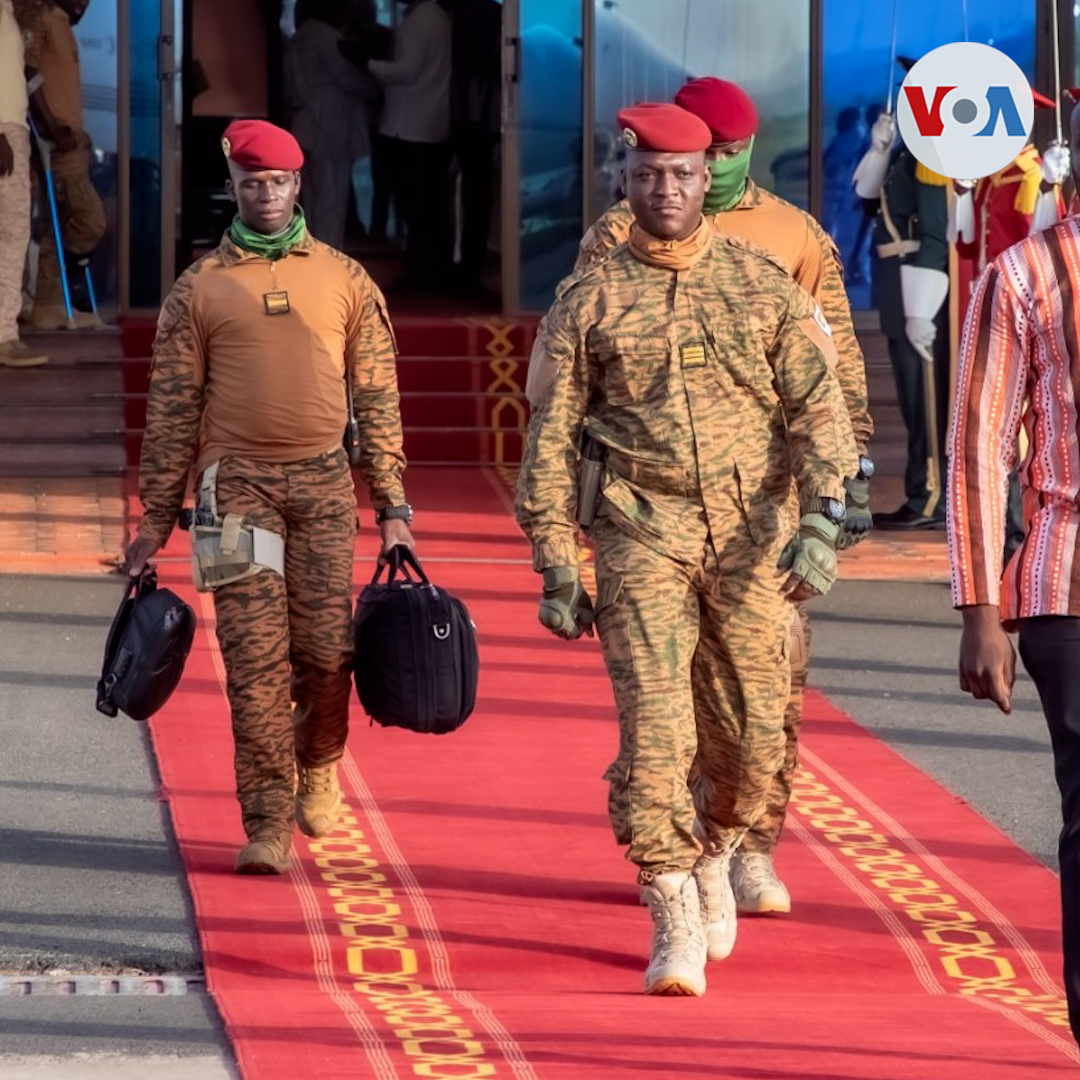
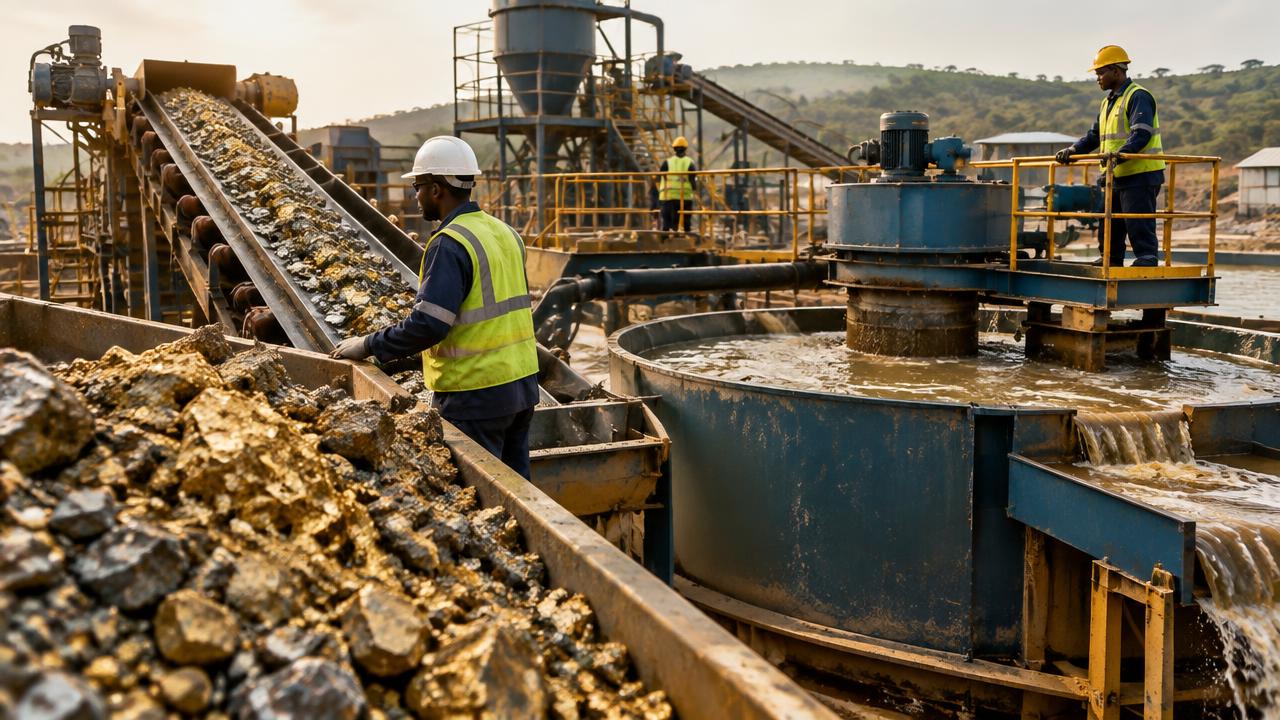
Burkina Faso is a landlocked country in West Africa. Under Captain Ibrahim Traoré, who came to power following a military coup in 2022, the country has pursued a more nationalist approach to economic policy and sought greater domestic control over its natural resources.
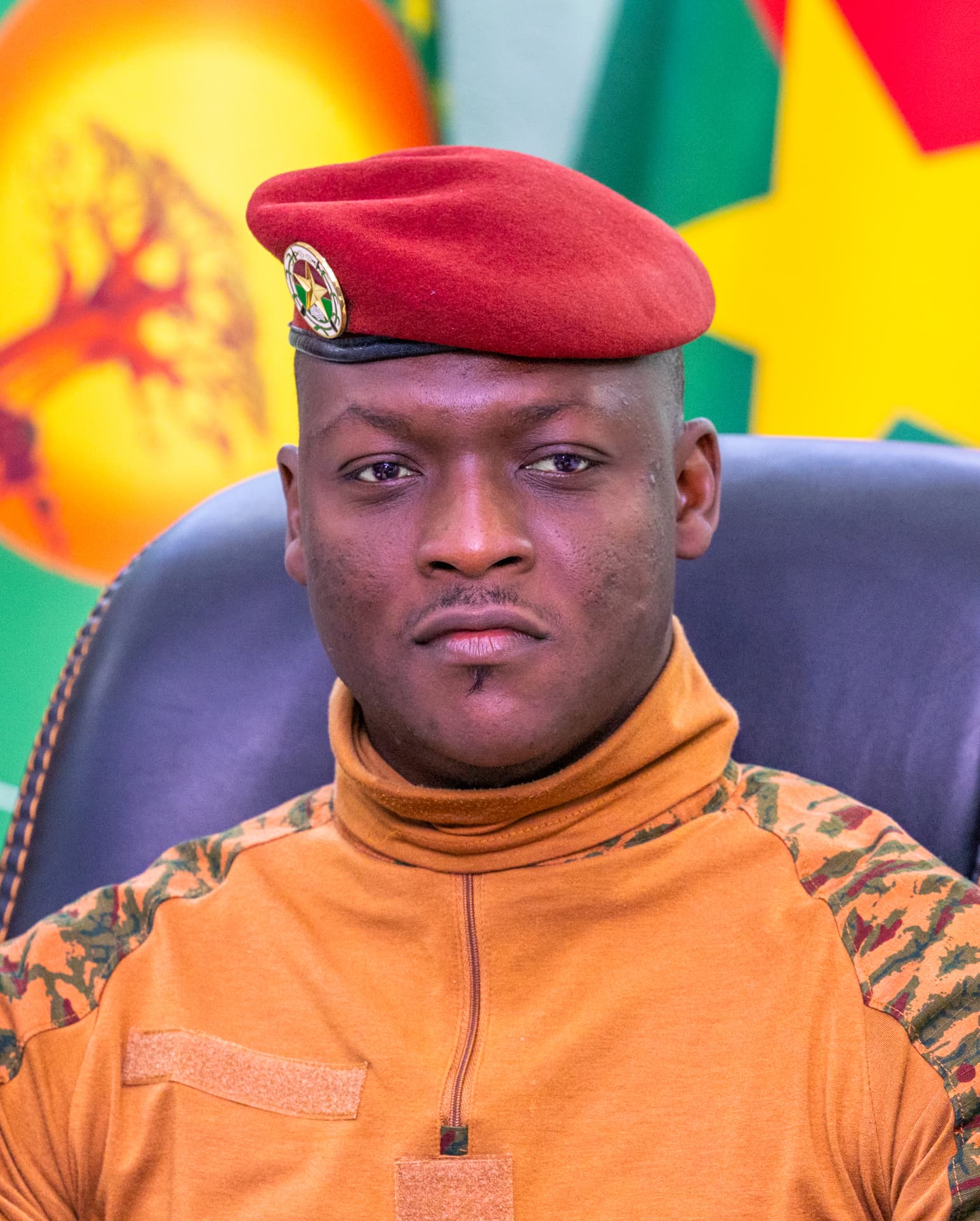
This includes a drive to retain more value from its gold industry rather than relying exclusively on exporting raw materials.
In September 2026, Burkina Faso inaugurated its first gold refinery, Raffinor-BF, in Ouagadougou. The development is part of the government's stated ambition to process and value more of the country's gold domestically. The refinery represents a significant step in that strategy, although its opening alone cannot establish how much additional wealth will ultimately reach the population.
Sources: Associated Press reporting on the gold refinery and Burkina Faso's government announcement.
But the opening of a refinery is the beginning of a question, not the end of one.
If a nation extracts gold from its own soil, how much of the value should remain there? How much should benefit its population? Who should control the licences, profits and revenues? And how can citizens know whether those benefits are reaching them?
These are important questions for resource-rich countries across Africa and the rest of the world.
National sovereignty matters, but sovereignty alone does not guarantee that ordinary people will prosper.
Greater state ownership does not automatically mean greater public benefit. We must examine how revenue is generated, how it is spent, what public services are delivered and whether citizens can scrutinise the decisions being made in their name.
We also need to acknowledge the difficult conditions in which Burkina Faso is operating.
The country faces a severe security crisis involving armed groups, widespread displacement and serious humanitarian challenges. Human Rights Watch has documented grave abuses by armed groups and by military forces and pro-government militias. It has also reported restrictions on media, political opposition and civil society. Freedom House similarly describes the country as experiencing serious limitations on political rights and civil liberties.
Sources: Human Rights Watch — World Report 2026: Burkina Faso and Freedom House — Burkina Faso: Freedom in the World 2026.
The economic picture also deserves a fair assessment.
The World Bank estimated that Burkina Faso's economy grew by 5.3% in 2025. It reported a five-percentage-point fall in extreme poverty that year and identified several contributing factors, including agriculture, services, mining and government policies. These are important indicators, but they do not establish that every improvement was caused by one leader or one policy. Nor do they remove the country's continuing security and development challenges.
Source: World Bank — Burkina Faso Economic Update, June 2026.
So this is not a simple story of a heroic leader rescuing a country. Nor should it be dismissed simply because its government challenges established Western influence.
The more important question is this:
Can a country free itself from external domination without creating another form of domination at home?
That question takes us beyond Burkina Faso and towards the nature of power itself.
2. A disturbing picture of the world
According to the V-Dem Institute's Democracy Report 2026, the world had 92 autocracies and 87 democracies at the end of 2025. Its analysis estimated that 74% of the world's population—approximately six billion people—lived under autocratic rule.
These figures depend on the institute's definitions and classification methods, but they highlight an important issue: political systems differ considerably in the extent to which citizens can participate, challenge authority and hold leaders accountable.
Source: V-Dem Institute — Democracy Report 2026.
What should we make of this?
An autocracy is not automatically proof of greed, and a democracy is not automatically proof of fairness. The classification alone cannot tell us the motives of every leader or explain the circumstances of every country.
Some authoritarian governments have delivered improvements in infrastructure, education, healthcare and material living standards. Some democratic governments have failed their populations.
We should acknowledge both realities.
But concentrated political power raises an important question:
What happens when the people who make the rules are not meaningfully accountable to the people who must live under them?
Without effective checks, leaders can restrict opposition, suppress criticism, protect their allies and make decisions with limited public scrutiny.
The same concern can arise in democracies through different mechanisms. Wealthy individuals, corporations and powerful interest groups may exercise disproportionate influence over political decisions, even where citizens retain the right to vote.
The mechanisms differ. The underlying concern is the concentration of power without sufficient accountability.
And this is not about jealousy.
It is not about resenting someone because they have more money, own a successful business or enjoy a better life.
Wealth can be created through innovation, investment, hard work and service to others. Leadership is necessary in many areas of life. Different outcomes are not automatically evidence of injustice.
The question is whether the arrangements that produce and protect wealth and power are fair, transparent and compatible with the flourishing of the wider population.
If people are deprived of meaningful opportunities while a small group can shape the rules to preserve its own position, we have a problem that goes beyond envy.
We have a question about justice, human potential and the purpose of society itself.
3. How can concentrated wealth benefit ordinary people?
This is a question we should ask of every economic and political system.
It is possible for wealth to be concentrated in relatively few hands while the wider population benefits from the economic activity that wealth helps generate.
An entrepreneur might build a company that employs thousands of people, develops useful products, creates supply chains and contributes tax revenue. A government might use revenue from natural resources to finance public housing, education, healthcare and infrastructure.
In these circumstances, concentrated wealth can contribute to wider prosperity.
But we must distinguish between three things:
- Creating wealth.
- Distributing its benefits.
- Allowing wealth to become power over other people.
These are not the same.
A country might become richer while large sections of its population remain in poverty. Average income might rise while housing becomes unaffordable. A government might own a country's natural resources while the public has little influence over how the revenue is spent.
Economic growth alone cannot tell us whether a society is fair.
Consider Singapore and the United Arab Emirates.
Both illustrate how strong state institutions, investment and concentrated economic resources can coexist with significant material development. Singapore has invested heavily in public housing, infrastructure and education. The UAE has used substantial resource wealth to develop infrastructure and diversify its economy.
Many people have benefited from economic development in these countries.
But that does not settle the question of fairness.
Singapore continues to face wealth inequality and limitations in political competition. In the UAE, citizens and migrant workers have different rights, protections and access to benefits. The experiences of citizens, low-paid workers and wealthy residents can differ considerably within the same country.
Neither example proves that concentrated wealth is inherently fair, nor that authoritarian government is necessary for prosperity.
They illustrate why we need to look beyond national wealth and ask who actually benefits.
We should ask:
- How much wealth is created, and how much reaches ordinary people?
- Can people access good education, healthcare, housing and meaningful employment?
- Can people improve their circumstances through their own efforts, or are opportunities restricted by inherited privilege, political connections or social status?
- Are workers treated fairly, and do they share reasonably in the value they help create?
- Does public revenue improve the lives of the population, or primarily benefit those who control the state?
- Can citizens scrutinise public spending and challenge those who misuse resources?
- Are people becoming more independent and capable, or more dependent on powerful institutions they cannot challenge?
These questions are not an attack on wealth creation. They are a way of examining whether wealth creation is serving a wider human purpose.
A country can become richer without becoming fairer. A state can become more powerful without making its people more powerful.
That distinction matters.
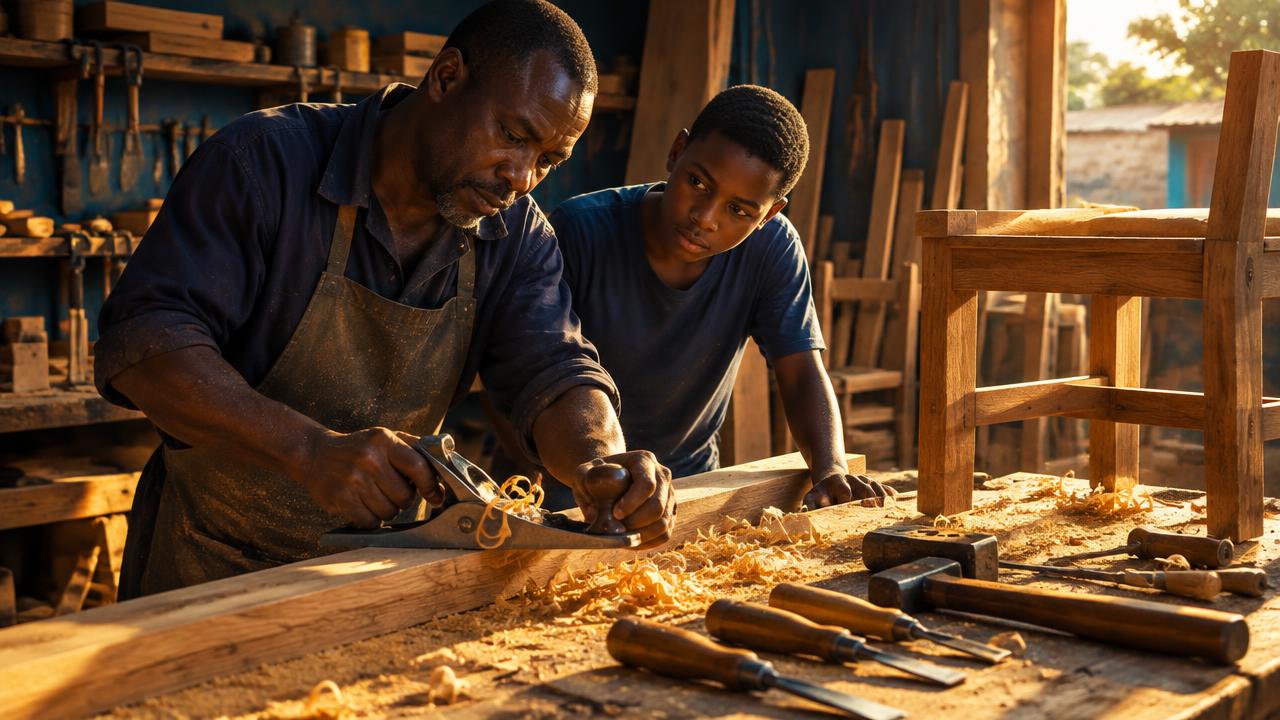
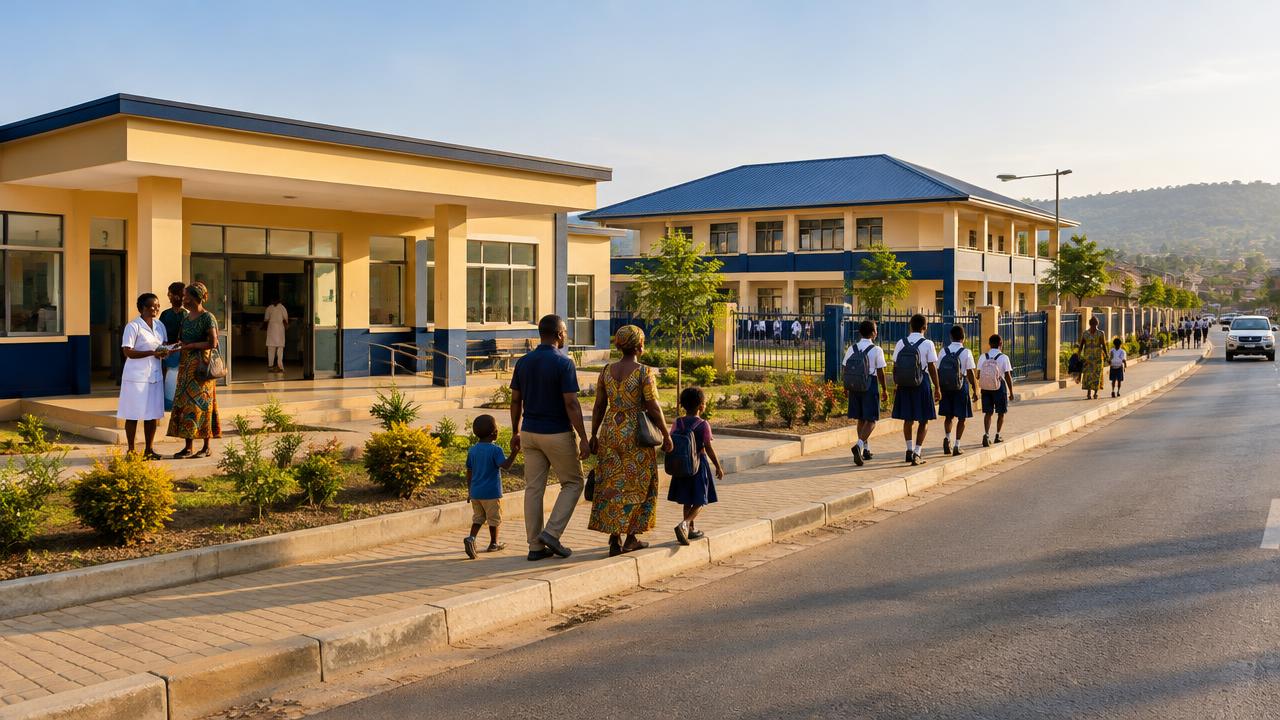
Wealth creation: How is value generated? (1 of 3)
4. Is the problem capitalism, democracy, communism or something else?
We often debate political and economic systems as though choosing the correct label will solve the problem.
Capitalism.
Socialism.
Communism.
Democracy.
Anarchism.
Authoritarianism.
But these are not all alternatives on the same level.
Capitalism concerns the ownership of wealth and the role of markets. Democracy concerns how political power is obtained and exercised. Authoritarianism concerns the concentration of political power and the limits placed on challenging it. Socialism encompasses different ideas about social ownership and economic control. Communism describes both a theoretical tradition and historical political systems that have claimed its name. Anarchism questions the necessity of centralised state authority and coercive hierarchy.
These traditions overlap in practice.
A country can combine capitalism with democracy. It can combine markets with authoritarian government. It can have extensive state ownership without giving ordinary citizens meaningful control over the state.
And elections alone do not guarantee that people have a meaningful say in how economic power is distributed.
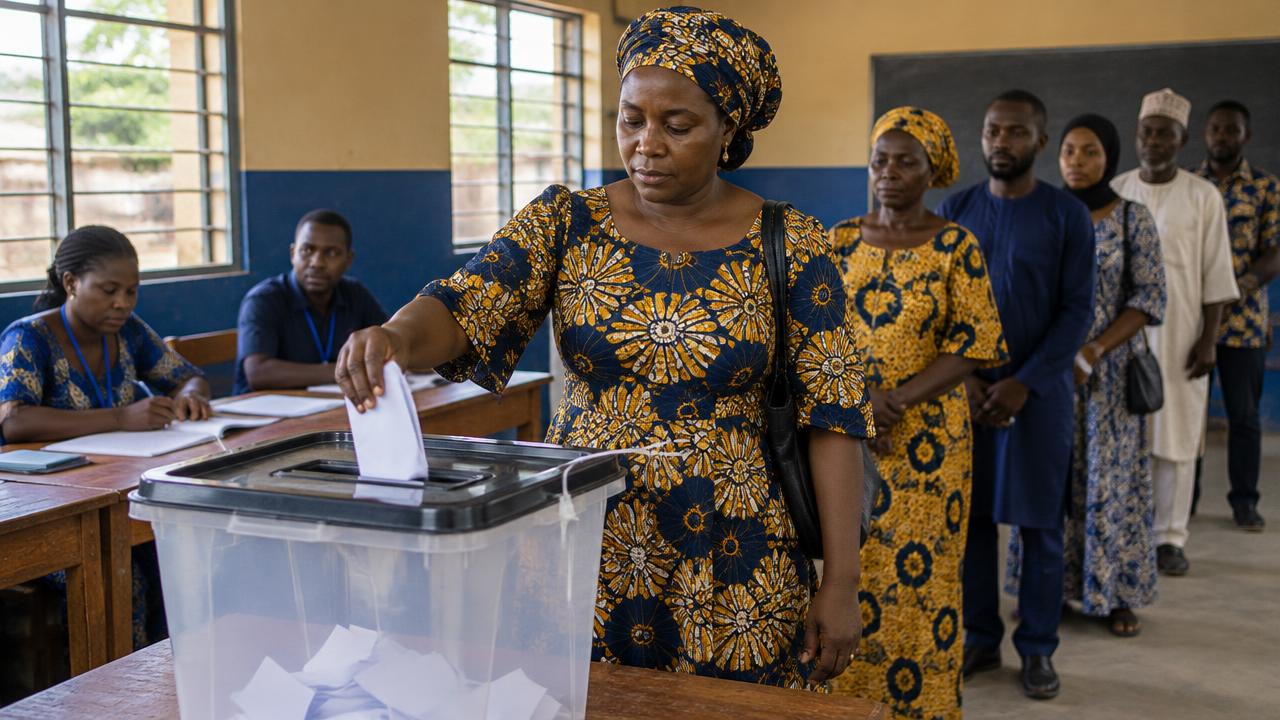
This is why we need to look deeper than political labels.
Consider two hypothetical countries.
The first has elections, private businesses and a market economy. But wealth is highly concentrated, political lobbying is influential, and many citizens feel that their vote changes little about the conditions of their lives.
The second has a powerful state that controls major industries and directs investment towards public needs. But citizens cannot freely challenge the leadership, investigate corruption or remove those in power through meaningful political competition.
One risks domination by concentrated private wealth. The other risks domination by concentrated political authority.
Neither system should receive a free pass.
We should examine both through the same lens:
- Who holds power?
- Who benefits?
- Who carries the costs?
- Can ordinary people challenge unfair decisions?
- What happens when the system fails them?
This does not mean every system is equally effective or every political arrangement produces the same outcomes. Evidence matters, and policies should be judged in their historical and practical context.
It means that no political label should exempt a system from scrutiny.
History offers useful lessons here. Explore how political institutions shape freedom in The Freedom We Inherited.
The goal is not to find a perfect word. It is to understand which institutions create opportunity, protect dignity, limit abuse and help people live better lives.
5. When religious values meet political power
There is another question we should not overlook.
Many societies ground their moral identity in religion. Leaders may invoke Christianity, Islam or other religious traditions to explain their authority, define their national identity or present their policies as morally justified.
Religious traditions contain teachings about justice, charity, compassion, responsibility, humility and the treatment of others. Their interpretations differ, but these moral themes invite serious questions about how power should be exercised.
So what happens when leaders publicly appeal to religious values while their conduct appears to contradict those values?
What happens when a government speaks about compassion but tolerates avoidable suffering? When leaders speak about justice while protecting powerful allies? When a society celebrates charity but leaves structural causes of deprivation unaddressed?
These questions are not accusations against religion itself. Nor should we assume that religious societies are automatically more or less just than secular ones.
The issue is the relationship between professed values and actual behaviour.
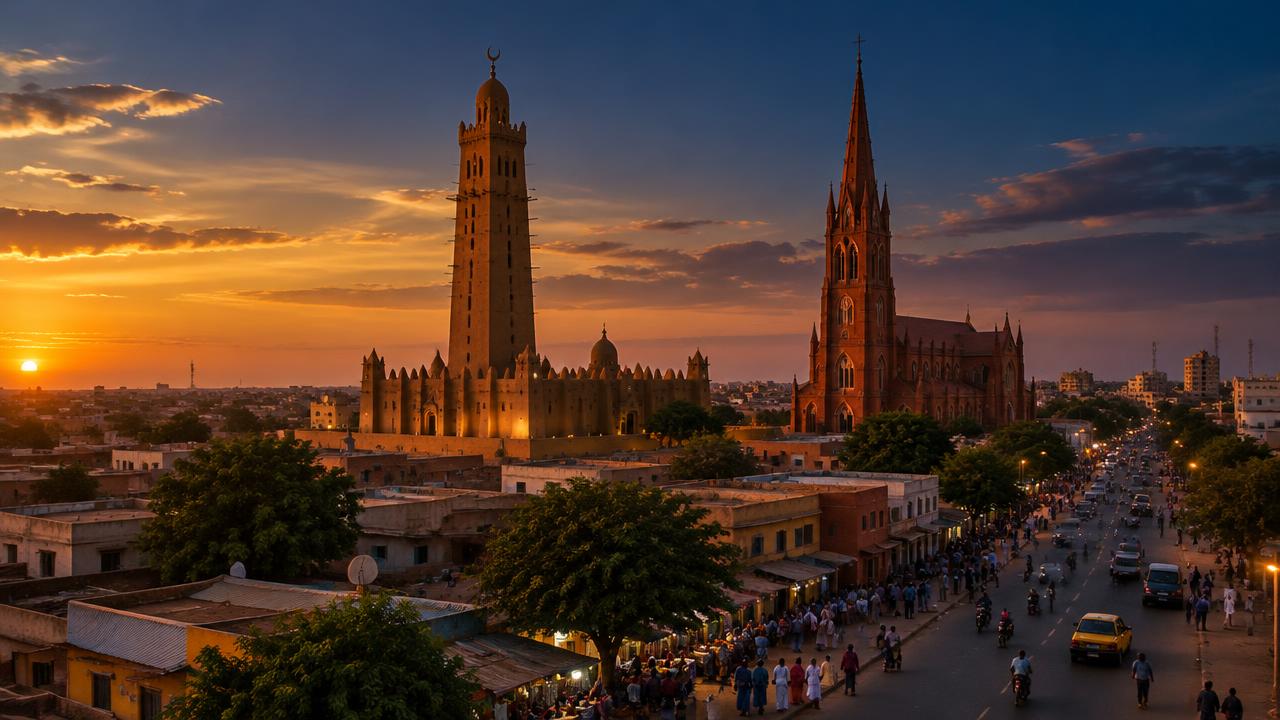
A leader's religious identity does not, by itself, demonstrate moral integrity. Equally, a person's lack of religious belief does not establish that they lack compassion or a sense of justice.
The test is what people and institutions actually do.
Do they protect the vulnerable? Do they use public resources responsibly? Do they treat people with dignity? Do they accept scrutiny when their actions fall short of their stated principles?
If a government claims to be guided by moral or religious principles, it is reasonable to ask whether its policies and conduct reflect them.
The question is not whether leaders profess to believe in goodness. It is whether the people affected by their decisions experience its consequences.
Imagine an observer with no attachment to any religion, nation or ideology. That observer would not be impressed merely by a leader's speeches, symbols or declarations of virtue.
They would examine the consequences of that leader's decisions.
They would ask whether people are being treated with dignity, whether resources are being used responsibly and whether the powerful are held to the same moral standards as everyone else.
The gap between professed values and actual conduct deserves scrutiny wherever it appears.
6. The Jones Plantation: Different owners, the same problem?
This brings us to the metaphor of the plantation.
In The Jones Plantation, author Larken Rose uses a fictional story to challenge the belief that some people possess an inherent right to rule others, and that obedience to authority is automatically virtuous.
The book raises an uncomfortable question: can people become so accustomed to a system that they stop questioning whether it has a legitimate claim over their lives?
Explore the book and related material through Larken Rose's official website and The Rose Channel's book page.
Imagine a system in which the people doing the work have little control over the rules, receive limited benefit from the value they create and gradually lose faith that participating in the system will change anything.
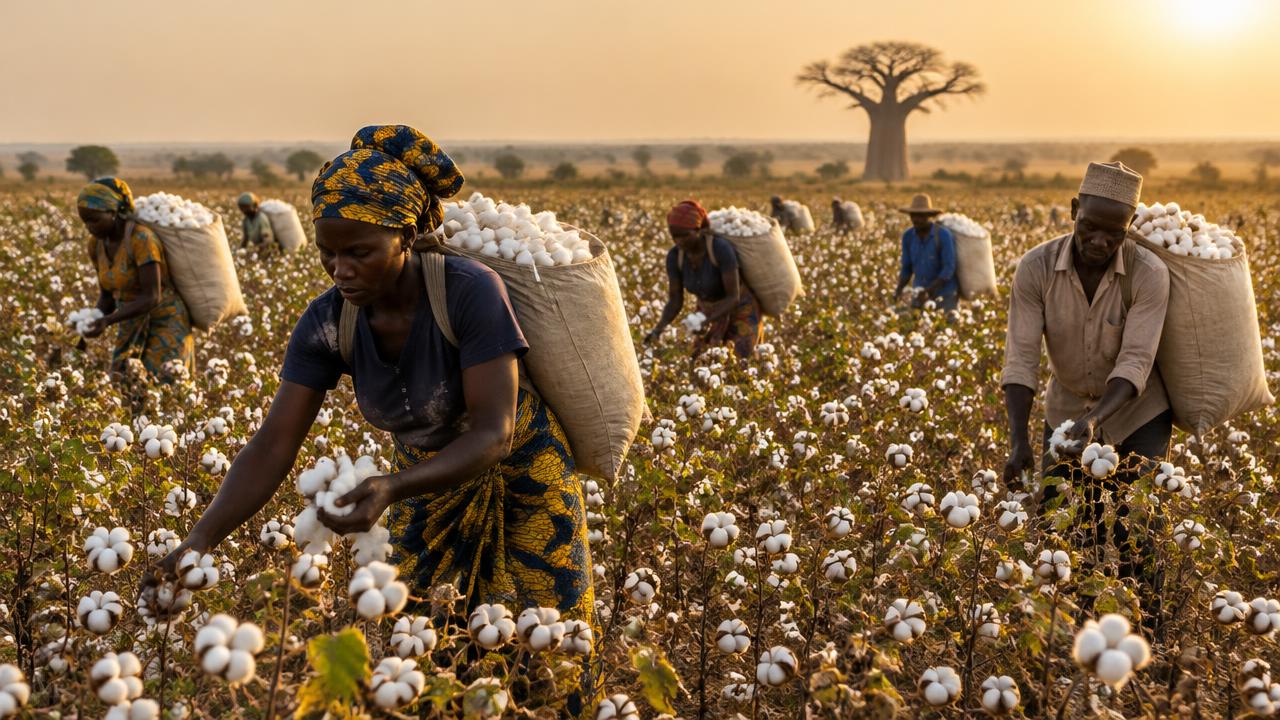
Some stop voting. Others withdraw from politics entirely. Some become cynical, believing every political party serves the same interests. Others search for a revolutionary alternative, hoping a different ideology or a powerful new leader will finally change their circumstances.
Their disillusionment may be understandable.
But there is a danger: when people conclude that their participation cannot matter, they may surrender even more influence to those who already hold power.
The people in charge do not necessarily need everyone to believe the system is fair. Sometimes it is enough for people to believe that changing it is impossible.
Yet we must also be careful not to assume that every political institution is deliberately designed to keep people powerless. Systems emerge through history, competing interests, incentives, mistakes and struggles over power. The effects can be unjust even when there is no single mastermind directing the outcome.
Rose's argument is a particular philosophical position, not a settled conclusion shared by all political philosophers. His work is useful precisely because it challenges assumptions about authority that many people take for granted. It should be read alongside arguments about why institutions, laws and accountable government may also protect people from domination.
The important question is not simply who owns the plantation.
It is whether the structure allows one group to exercise excessive control over the lives and opportunities of another—and whether that structure can be challenged peacefully and effectively.
If the plantation is the problem, replacing its owner is not enough. We must examine the system that makes domination possible.
7. The power elite: Who influences the rules?
In The Power Elite, sociologist C. Wright Mills examined the relationship between political, corporate and military power in the United States.
His work asks whether formal democracy necessarily means that power is widely distributed in practice.
You can explore the book through Google Books' listing for The Power Elite.
A related work is Peter Phillips's Giants: The Global Power Elite, which examines influential people and institutions in global capitalism.
See the publisher's page for Giants.
These books provide frameworks for examining how wealth, corporate networks, political influence and institutions can interact.
However, identifying influential elites is only the beginning. We must still establish how particular networks operate, what evidence supports claims about their influence and whether a given decision benefits the public or primarily serves private interests.
The aim should not be to replace one untested conspiracy with another. It should be to investigate power carefully, using evidence that can be examined and challenged.
We should ask:
- Who influences public policy?
- Who benefits from the rules as they currently exist?
- Who has access to decision-makers?
- How transparent are political donations, lobbying and public contracts?
- Can independent journalists and researchers investigate these relationships?
- What evidence would change our minds about a particular claim?
These questions matter in democracies as well as autocracies.
Power can operate through formal government, private corporations, financial institutions, lobbying networks, media ownership and other structures. Understanding these relationships is essential if we want to understand why some people have far more influence over society's direction than others.
To explore the concentration of wealth and political influence through the lens of banking and credit, read Who Creates the Money We Live By?
This is where critical thinking becomes essential. It is not enough to suspect that power is concentrated. We need to investigate the mechanisms, follow the evidence and remain willing to revise our conclusions.
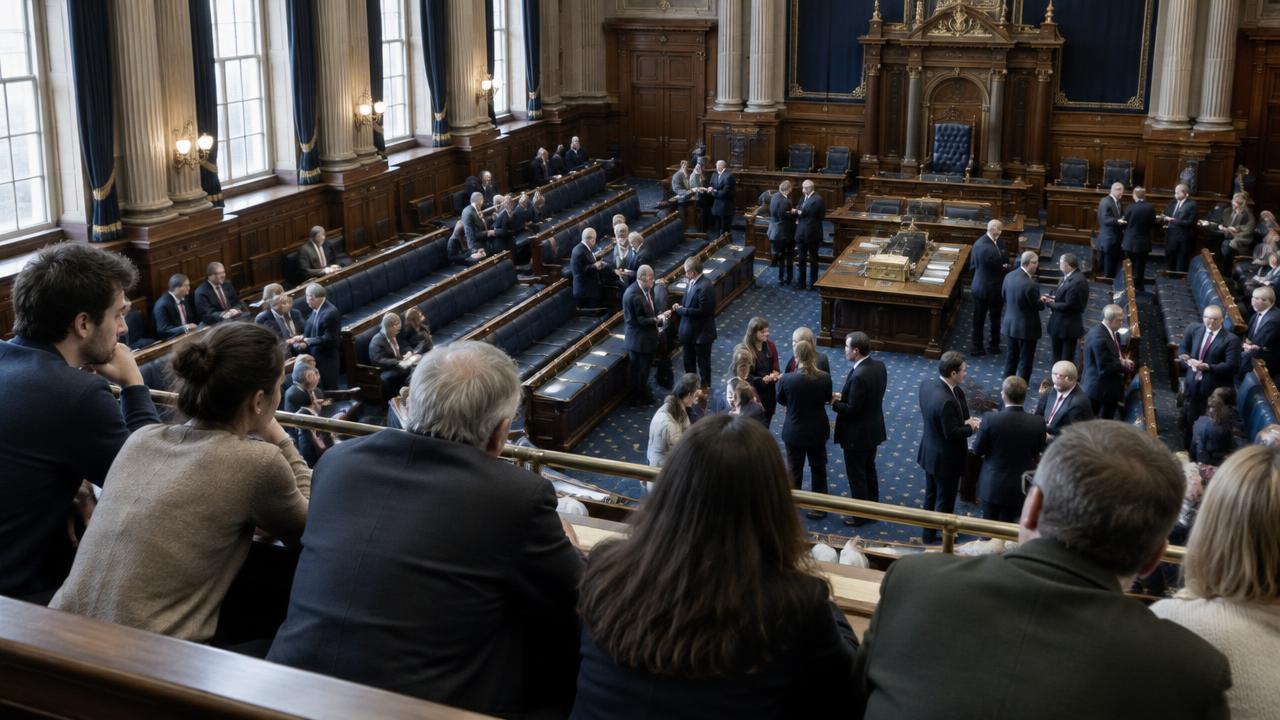
8. What would human flourishing look like?
Suppose we set aside our national loyalties and ideological assumptions for a moment.
What if we judged every political and economic system by its contribution to human flourishing?
The United Nations Development Programme's human development approach provides a useful starting point. It emphasises people's capabilities, opportunities and choices rather than treating economic growth as the ultimate objective.
Source: UNDP — What is human development?.
Building on that approach, we can ask five questions.
1. Economic power: Who controls wealth?
Who owns land, businesses, natural resources and productive assets? How was wealth acquired? Does economic success create broad opportunities, or does it allow a small group to control the rules in its own favour?
2. Political power: Who makes the decisions?
Can people meaningfully influence government? Are elections competitive? Can citizens organise, speak freely and participate in public life?
3. Accountability: What prevents abuse?
Can leaders and powerful institutions be challenged, investigated and removed when they fail? Are public finances transparent? Do independent institutions have the ability to expose wrongdoing?
4. Sovereignty: Who controls a society's future?
How much control does a country have over its resources and decisions? Is it excessively dependent on foreign governments, creditors or corporations? And can a government pursue independence without silencing its own citizens?
5. Human flourishing: What kind of lives can people live?
Are people becoming healthier, safer, better educated, more capable, more secure and freer to develop their potential? Can they build relationships, contribute to society, pursue meaningful work and exercise genuine agency?
These questions do not assume that every country must adopt the same economic model or political constitution.
They give us a common basis for examining different approaches.
A country that increases its control over natural resources deserves to be assessed on what that control achieves for its population. A democracy deserves to be assessed on whether citizens can genuinely influence public decisions. A capitalist economy deserves to be assessed on whether it creates broad opportunity as well as wealth. A socialist system deserves to be assessed on whether public or collective ownership translates into meaningful public benefit.
No ideology should be exempt from scrutiny.
No leader should be above criticism.
And no government should be judged solely by its promises.
The ultimate measure of progress is not simply how much wealth a society produces, but what that wealth enables human beings to do and become.
This connects directly to the central philosophy of Get Out Rat Race.
Human flourishing is not merely about earning more money or achieving a higher social status. It includes security, relationships, meaningful work, personal growth, autonomy and the opportunity to develop one's abilities.
Economic resources matter enormously, particularly when people lack food, housing, healthcare or safety. But wealth is a means to human wellbeing, not a complete definition of it.
A society should create conditions in which people have a genuine opportunity to become who they are capable of becoming.
We explore the relationship between personal growth and human flourishing in The Importance of Women, and a different way of thinking about success in Was Abraham Maslow Right About Success?



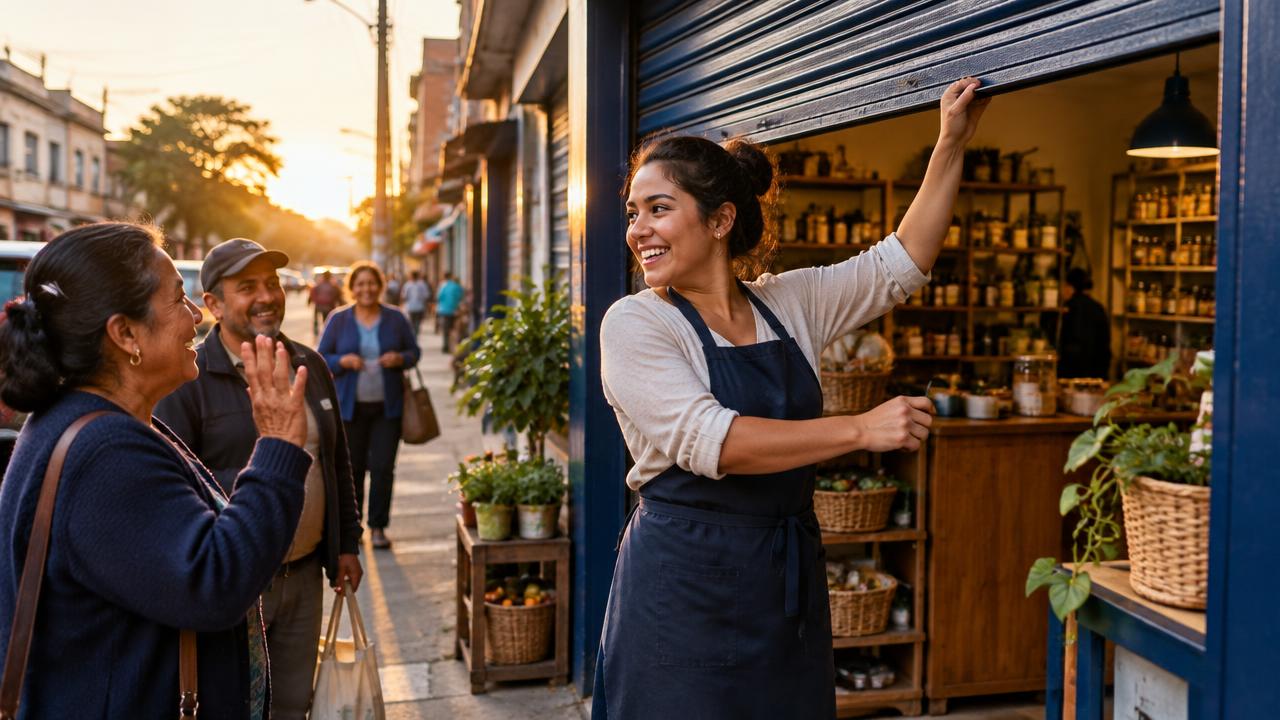
Health and security: Can people meet their basic needs? (1 of 3)
Unity, not uniformity
There is one more thing a flourishing world would need, and it is easy to overlook.
When people imagine a fairer world, they sometimes picture everyone thinking the same way, worshipping the same way and living the same way. But that is uniformity, and uniformity is not the same thing as unity.
Unity means living together with shared respect. Uniformity means asking everyone to become the same.
Our world is made up of many languages, faiths, foods, music, traditions and ways of seeing life. That variety is not a problem to be solved. It is part of the richness of being human. Each culture carries knowledge, stories and wisdom that the rest of us can learn from.
A flourishing society would not ask people to give up who they are in order to belong. It would allow people to keep their heritage, share it with others and appreciate what others bring in return.
This matters for countries like Burkina Faso too. Real sovereignty includes the freedom of a people to shape their future in a way that reflects their own history, values and culture, rather than copying a model handed to them from outside. And the same respect we ask for ourselves is the respect we owe to others.
We do not need to be the same to live well together. We need to value one another.
9. The leadership dilemma
Of course, societies need coordination.
They need institutions, infrastructure, public services, laws and people capable of making difficult decisions.
The answer cannot simply be that nobody should lead.
But there is a profound difference between a leader who has the authority to act and a leader who cannot be held accountable.
Concentrated authority can sometimes make decisions quickly. It can also make mistakes harder to challenge, conceal failures and allow abuses to persist.
Democratic institutions can be slow, captured by special interests or ineffective. They can also provide mechanisms for public scrutiny, peaceful change and correction.
The real question is not whether we should have strong leadership or no leadership.
It is how we combine capable leadership with safeguards that prevent any individual, party, corporation or institution from becoming unaccountable.
A system should not depend on finding a permanently virtuous leader. It should be designed to remain reasonably just even when the person in charge is ambitious, self-interested or simply wrong.
That means considering independent courts, transparent public spending, a free press, meaningful political participation, effective anti-corruption measures and institutions capable of investigating wrongdoing.
The precise arrangements will differ between societies. No institutional design is perfect, and safeguards themselves can be weakened or captured.
But the principle is important:
A healthy system needs ways to correct its own mistakes.
That is a much harder problem than choosing a political ideology. But it is also a more useful one.
10. Looking at humanity from the outside
Return to the thought experiment.
Imagine an intelligence observing Earth without identifying with any particular nation, class, ideology or religion.
It sees human beings who share many fundamental needs: food, shelter, security, connection, dignity, freedom and opportunities to develop their abilities.
It sees extraordinary cooperation, but also competition for status, resources and control.
It sees people capable of compassion and sacrifice, alongside people capable of exploitation and indifference.
It sees institutions that allow millions to cooperate, but also institutions that can protect privilege and make it difficult for ordinary people to change their circumstances.
What would such an observer conclude?
We cannot honestly claim to know what a god, higher being or alien would think. This is a philosophical thought experiment, not evidence of an external judgement.
But it gives us a way to step outside our usual loyalties and ask a different question.
Instead of asking whether a system benefits our preferred political party, nation, religion or economic class, we ask whether it helps human beings live secure, meaningful and flourishing lives.
Instead of asking whether a leader is on our side, we ask whether the leader is accountable.
Instead of asking whether wealth is deserved simply because someone possesses it, we ask how it was created, whether the rules are fair and whether others have a genuine opportunity to develop their capabilities.
Instead of judging a society by its religious declarations, national pride or economic growth alone, we examine the lived experience of its people.
And instead of assuming that a different group of people taking power will solve everything, we ask what safeguards will prevent the same patterns from repeating.
The point is not to imagine that we can remove every personal bias or reach a perfectly neutral view of the world. That may be impossible.
The point is to recognise our biases and deliberately test our assumptions.
We can care about our country without believing it is always right. We can value religion without excusing wrongdoing committed in its name. We can appreciate wealth creation without assuming that every distribution of wealth is fair. We can support national sovereignty while insisting that governments remain accountable to their own citizens.
These positions are not contradictions. They are part of taking ideas seriously.
11. The question we should be asking
Burkina Faso is one case among many. Its future will depend on security, economic decisions, institutional capacity, political freedoms and whether the benefits of its resources reach its people.
We should neither romanticise its leadership nor dismiss its attempts to pursue greater sovereignty. We should examine the evidence and remain open to what it shows.
But the wider question reaches far beyond Burkina Faso.
It reaches into the way we organise our economies, our governments, our businesses and our communities.
It reaches into the relationship between individual ambition and collective wellbeing.
And it reaches into the very purpose of progress.
We have spent centuries developing political systems, economic theories, technologies and institutions. Yet the existence of wealth, power and technological advancement does not automatically mean that humanity is flourishing.
The world is not a fixed arrangement that we must simply accept. The institutions we inherit can be questioned, improved and redesigned.
We should not assume that poverty is inevitable simply because it has existed throughout history. Nor should we assume that every inequality is unjust or that every problem can be solved by redistributing wealth. We must examine causes, incentives, practical constraints and the evidence for what works.
But we should be willing to ask whether our current arrangements are the best we can do.
Perhaps the most important question is not which ideology should rule the world.
Perhaps it is this:
How should we organise society so that power serves human flourishing, rather than human beings serving the interests of those who hold power?
That is not a question of jealousy. It is not an argument for one particular ideology or against every person who has accumulated wealth. And it is not a demand that everyone have the same life or the same possessions.
It is a question about the conditions under which human beings can live with dignity, exercise meaningful agency and become who they are capable of becoming.
Because if our systems are meant to serve humanity, we should be willing to examine them honestly.
Not only by the wealth they generate.
Not only by the promises their leaders make.
Not only by the religions, ideologies or national identities they invoke.
But by the lives they enable people to live.
Get Out Rat Race — Become Who You Were Born To Be.
The rat race ends within. But building a society in which people have a genuine opportunity to flourish is a question we must face together.
Keep Exploring
- Who Creates the Money We Live By?
- The Freedom We Inherited: How Generations Before Us Challenged Power
- International Progress and the Liberal International Order
- Is Voting Pointless? Is the System Rigged?
- UK Conscription: Who Has the Right to Ask Us to Die?
- How to Disagree Without Creating Division
- The Power of Asking Better Questions
Frequently asked questions
What is economic sovereignty?
Economic sovereignty is a country's ability to make meaningful decisions about its economy, resources and development priorities. It can include domestic processing of natural resources, greater control over revenue and reduced dependence on external actors. However, sovereignty does not automatically ensure that the benefits reach the population or that citizens can hold their government accountable.
Why is Burkina Faso trying to gain greater control over its gold?
Burkina Faso's government has presented greater domestic processing and control of gold as part of its drive for economic sovereignty. The opening of Raffinor-BF in September 2026 is one step in that strategy. The long-term impact will depend on how the industry operates, how revenues are managed and how benefits reach workers and communities.
Does economic growth mean a country is becoming fairer?
Not necessarily. Economic growth measures an increase in economic output, but it does not show how income, assets, opportunities or public services are distributed. To assess broader progress, it is useful to examine poverty, health, education, employment, security, political participation and people's ability to improve their lives.
Is capitalism the problem?
Capitalism describes an economic system built around private ownership and markets, but capitalist economies differ considerably in their institutions, regulations and outcomes. Rather than treating the label as a complete explanation, examine how a particular economy creates wealth, distributes opportunity, protects workers, manages monopolies and limits the conversion of economic power into political influence.
Can socialism or state ownership prevent inequality?
Social ownership and state ownership can be used to pursue public objectives, but ownership alone does not guarantee fair outcomes. The quality of institutions, public accountability, management, incentives and citizen participation all matter. A state can own major industries while ordinary people have little influence over how the resulting wealth is used.
What is the global power elite?
The phrase generally refers to influential networks of political, corporate, financial and institutional leaders who may exercise disproportionate influence over major decisions. Scholars such as C. Wright Mills have examined these relationships. Particular claims about specific networks or decisions still require evidence; the concept should not be treated as proof of a single coordinated group controlling every world event.
What is human flourishing?
Human flourishing is a broad concept concerned with the conditions that allow people to live meaningful and capable lives. It can include physical wellbeing, security, relationships, knowledge, autonomy, meaningful work, participation in society and opportunities to develop one's abilities. It is broader than income or economic output alone.
What is the main lesson of The Jones Plantation?
Larken Rose's The Jones Plantation challenges assumptions about authority, obedience and the legitimacy of systems that allow some people to control others. It offers a philosophical lens rather than a universally accepted explanation of society. Readers can use its questions to examine authority while also considering arguments about the role of laws and institutions in protecting people from domination.
Can a leader pursue national independence while restricting political freedom?
Yes, these outcomes can coexist. A government may pursue greater control over national resources while limiting political opposition or public scrutiny. That is why economic sovereignty and political accountability should be examined separately. Progress in one area does not automatically establish progress in the other.
How can we judge whether a political system works?
There is no single measure that captures every dimension of a society. A useful assessment combines economic indicators with evidence about public services, rights, safety, institutional accountability, opportunity and people's lived experiences. Comparing multiple credible sources is essential, particularly when evaluating politically contested countries.
Further reading and research
The resources below offer different perspectives on wealth, power, authority, political systems and human development. They do not all make the same argument, and their inclusion does not mean that every claim made by every author is accepted.
Power, elites and wealth
- The Jones Plantation — Larken Rose
A fictional exploration of obedience, authority and the belief that some people have a right to control others.
- The Power Elite — C. Wright Mills
A classic sociological examination of connections between political, corporate and military elites.
- Giants: The Global Power Elite — Peter Phillips
Examines influential individuals and institutions in global capitalism and the concentration of economic power.
- Oxfam — Global inequality
An advocacy organisation's analysis of extreme wealth, inequality and political influence. Consider its data alongside its campaigning perspective and other research.
- World Inequality Database
A research resource for investigating income and wealth distribution across countries and over time.
Burkina Faso, political power and development
- Associated Press — Burkina Faso's first gold refinery
Reporting on the refinery, economic sovereignty and the challenges facing the country's gold industry.
- World Bank — Burkina Faso Economic Update
Economic growth, poverty, employment and the structural challenges facing the country.
- Human Rights Watch — Burkina Faso, World Report 2026
An examination of civilian security, state abuses, political restrictions and the humanitarian situation.
- IMF — Burkina Faso programme review
Macroeconomic policy, fiscal transparency, mining governance and economic risks.
Political systems, authority and democracy
- V-Dem Institute — Democracy Report 2026
The source for the global comparison of autocracies and democracies used in this article.
- Stanford Encyclopedia of Philosophy — Anarchism
An academic overview of anarchist political philosophy, decentralisation, freedom, authority and organising society without a centralised state.
- Stanford Encyclopedia of Philosophy — Karl Marx
Explores Marx's political and economic thought, including communism, democracy and the state.
- Why Nations Fail — Daron Acemoglu and James A. Robinson
Examines how political and economic institutions influence prosperity, poverty and the distribution of power.
- Stanford Encyclopedia of Philosophy — Religion and Political Theory
Explores religious authority, political legitimacy and the role of religious reasoning in public life.
Human flourishing and the purpose of society
- UNDP — What is human development?
Explains why human development should be assessed through people's capabilities, opportunities and choices, rather than economic output alone.
- Development as Freedom — Amartya Sen
A foundational work arguing that freedom is both a goal of development and a means of improving human wellbeing.
- World Inequality Report 2026
Research on global income and wealth distribution, regional inequality and the relationship between economic power and society.
A note on evidence
These sources differ in their methods, assumptions and institutional perspectives. Government statistics, international financial institutions, human rights organisations, academic research and advocacy reports should not all be treated as interchangeable.
The strongest analysis compares sources, checks definitions and dates, and distinguishes verified findings from interpretation. That is particularly important when examining a politically contested country such as Burkina Faso.
Join the conversation
If you could design a society from scratch, what would you prioritise first?
Economic freedom? Political freedom? Equality of opportunity? Shared ownership? Strong leadership? Or safeguards against the concentration of power?
And, more importantly:
How would you prevent the people entrusted with power from using it primarily for themselves?
Share your perspective in the comments. The aim is not to defend an ideology at all costs, but to ask better questions about the kind of world we want to build.
At Get Out Rat Race, we believe that becoming who you were born to be is about more than personal success. It is also about understanding the world we live in, questioning the assumptions we inherit and helping create conditions in which human potential can flourish.
Get Out Rat Race — Become Who You Were Born To Be.
Sources, Image Credits and AI Transparency
About the images in this article
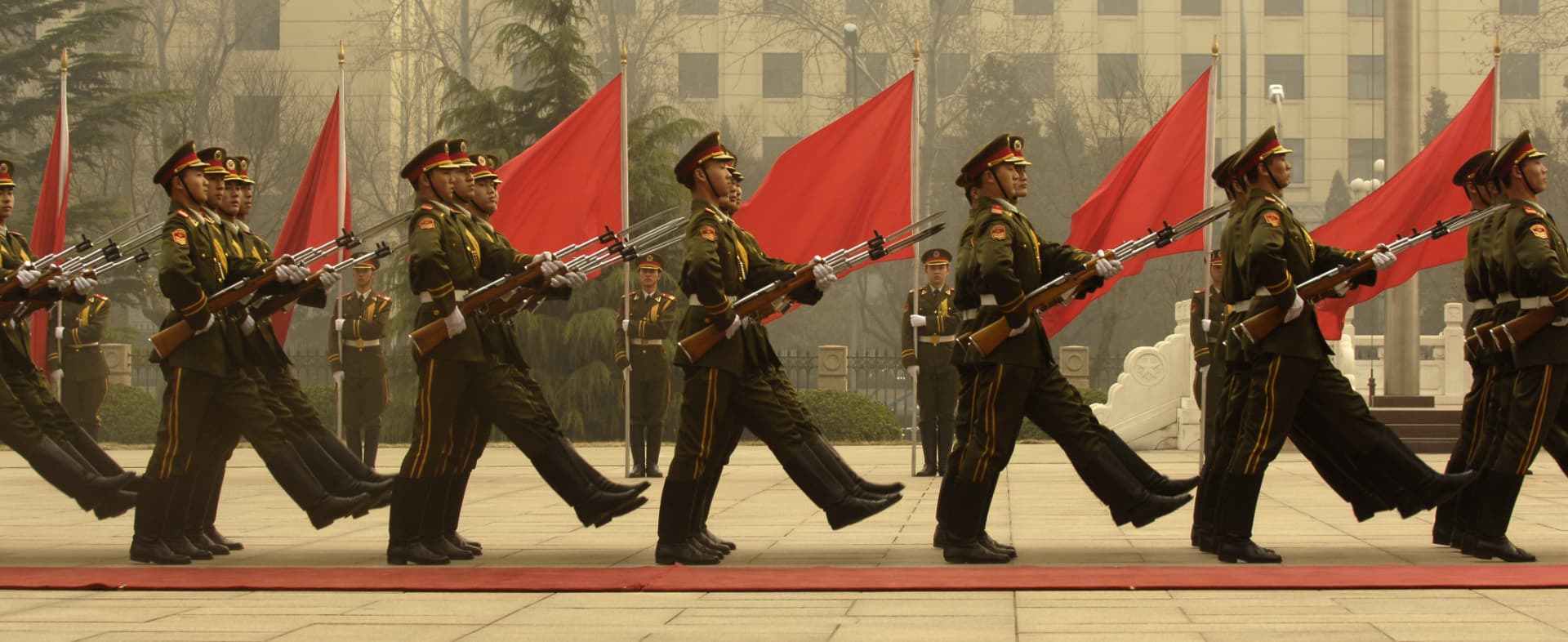
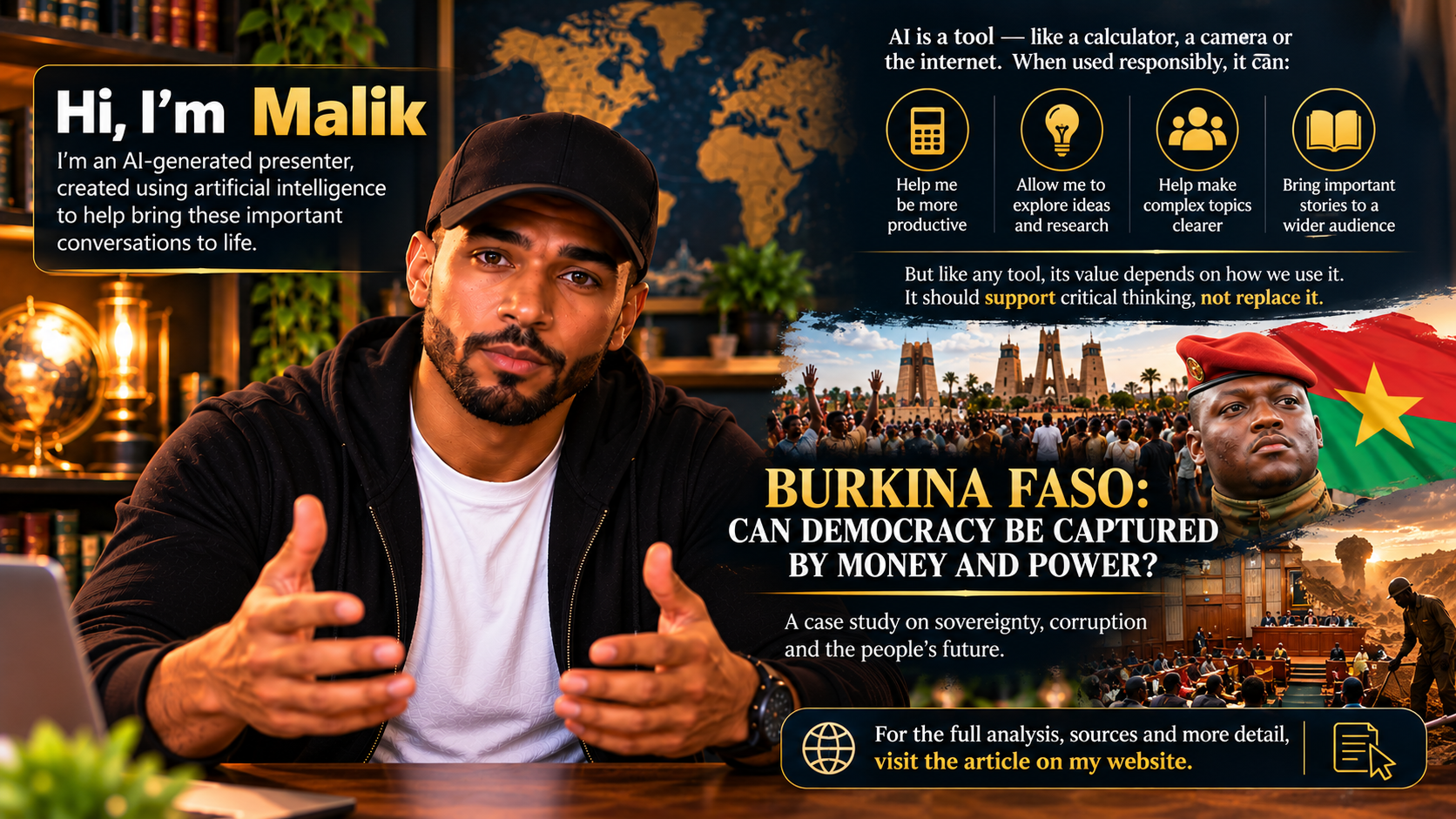
The photographs of Captain Ibrahim Traoré and of the honour guard in Beijing are real photographs, credited beneath each image. All other illustrations in this article are AI-generated to support the themes being discussed. They do not depict real people, places or events, and should not be read as evidence for any claim.
About the video
This documentary draws on a range of visual materials and sources to explore Burkina Faso, Ibrahim Traoré, political power, sovereignty and democracy.
We aim to acknowledge image creators and link to original sources wherever attribution information is available. Credits and licensing details are being consolidated, and individual image licences should be checked at their original source.
Image contributors and sources
Image contributors and source records currently include:
- Spc. Cynthia Gomez Beltran — DVIDS portfolio
- Staff Sgt. D. Myles Cullen (USAF) — U.S. Air Force image 070322-F-0193C-014
- Marco Schmidt — Wikimedia Commons
- EKokou — Wikimedia Commons
- Bamjo226 — Wikimedia Commons
- Yannick Bammert — Flickr image
- PBJellyBoi — Wikimedia Commons
- Voice of America (VOA) — Source link recorded in our image notes
Additional image credits and source information will be provided on our website as the original files and applicable licences are verified.
Where possible, we will identify the specific image, creator, original source and applicable licence. A photographer or contributor credit does not, by itself, establish permission to reuse an image.
Our use of AI
Our presenter, Malik, is AI-generated. We use AI to support research, scripting and creative production, while recognising the importance of independent judgement, source verification and factual accuracy.
AI is a tool, not a replacement for critical thinking.
Our aim is to use these tools transparently while retaining responsibility for the claims we make, the sources we rely on and the conclusions we draw.