What If Disagreement Didn't Have to Create Division?
Learn how to disagree without creating division, challenge ideas without attacking people, and turn difficult conversations into opportunities for understanding and growth.
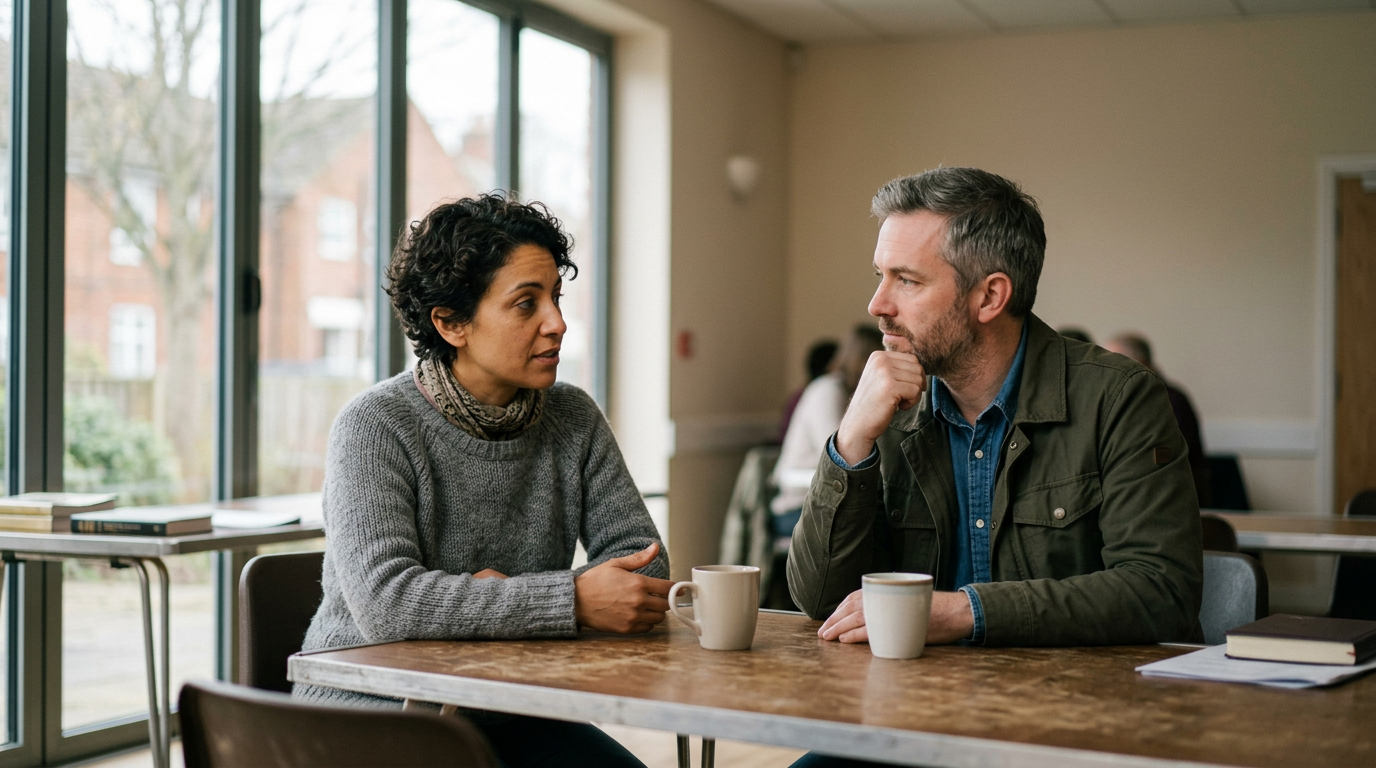
We live in a world where disagreement can very quickly become conflict. Politics, religion, money, science and culture can turn ordinary conversations into battles over who is right and who is wrong.
We can become so focused on defending our position that we forget why we started the conversation in the first place: to understand, to learn and to make progress.
Instead of asking whether an idea has merit, we judge the person expressing it. Instead of examining evidence, we look for weaknesses in the person standing in front of us. But what if disagreement did not have to work this way?
What if we could challenge one another's ideas without treating one another as enemies? What if changing our minds were a sign of intellectual growth rather than weakness?
1. The Pen Is Mightier Than the Sword
The saying “the pen is mightier than the sword” is commonly attributed to Edward Bulwer-Lytton, who used it in his 1839 play Richelieu; Or the Conspiracy.
Its meaning reaches beyond writing. The pen represents ideas, questions, evidence, conversation, education and the ability to challenge an argument without attacking the person who holds it. The sword represents the power to compel, threaten or silence.
A sword can force someone to stop talking. It cannot persuade them that they were mistaken. An idea, by contrast, can be examined, challenged, improved and passed on.
Words can also humiliate, manipulate and incite hatred. Writing is not automatically constructive. The question is whether we use our words to help people think or simply to make them feel defeated.
2. When Being Right Becomes More Important Than Understanding
When someone challenges something we believe, we may feel the need to respond. They challenge our response, and we become more determined to defend it. Before long, neither person is listening. Each is preparing the next argument.
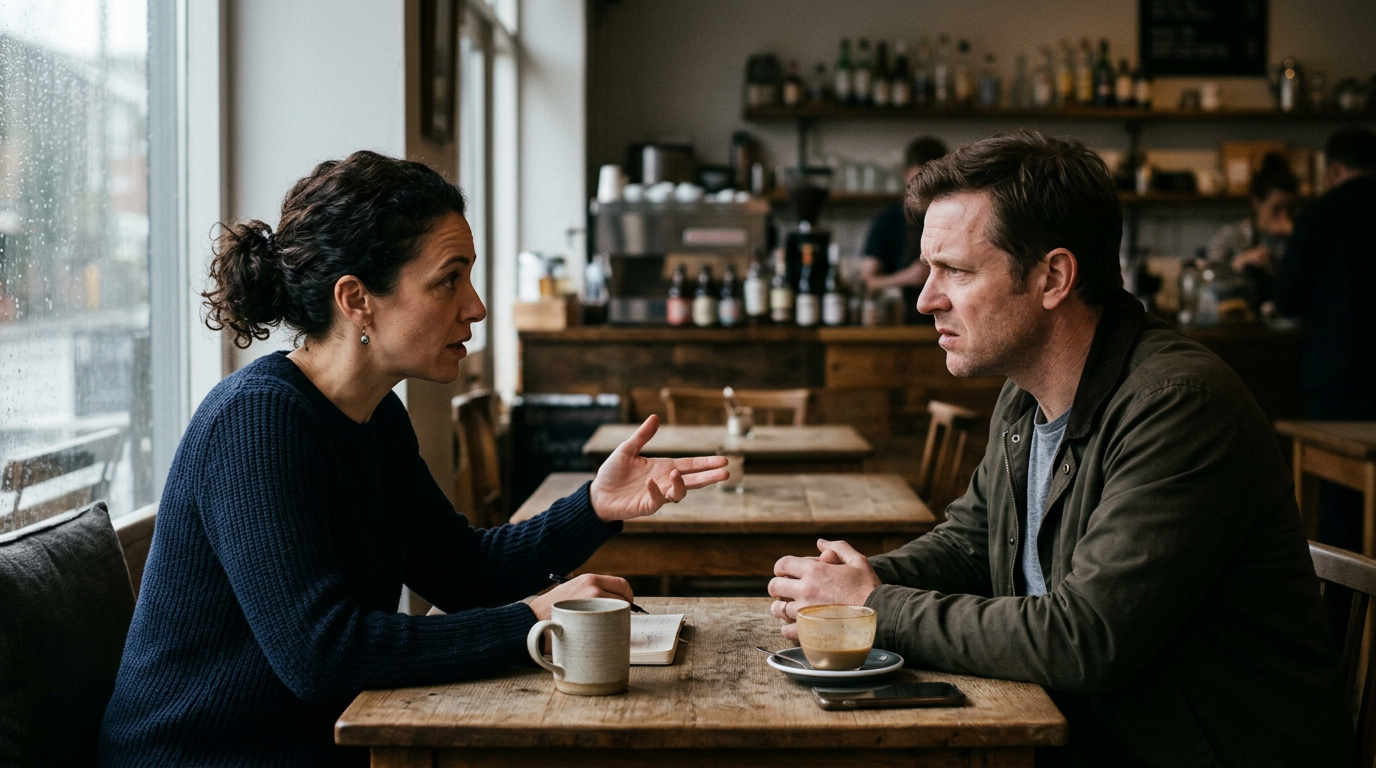
The conversation becomes a contest. Once winning becomes the priority, learning can become an inconvenience. We may overlook evidence that complicates our position or interpret an honest question as a personal attack.
Winning an argument and discovering the truth are not necessarily the same thing. You can win through confidence or persistence without having the stronger argument. Equally, you can lose an argument and come away having learned something valuable.
Sometimes progress begins with: “I hadn't considered that before.” Or: “You make a fair point. I think I was wrong about that.” Those words show that our thinking is capable of developing.
3. Intellectual Humility: The Strength to Question Yourself
Intellectual humility does not mean lacking confidence or assuming everyone else knows better. It means recognising that our knowledge is incomplete and our understanding can be mistaken.
We all see the world through education, experience, upbringing, culture, assumptions and personal circumstances. These influences help us interpret reality, but they can also leave us with blind spots.
A 2024 study published in PLOS ONE, involving conflicts with friends, family members and workplace colleagues, found that intellectual humility was associated with more constructive and less destructive responses to conflict. The findings do not prove that humility resolves every disagreement, but they support its value as a habit.
Ask yourself: Is there anything I might be overlooking? What evidence would cause me to reconsider? Do I understand their argument? Am I defending evidence or defending my identity?
Being open to correction does not mean being willing to believe anything. If evidence supports your position, you may have good reasons to maintain it. Humility asks you to examine those reasons honestly.
Read the research on intellectual humility and conflict.
4. Disagree With the Idea, Not the Person
Consider the difference between “That argument doesn't account for the evidence we have” and “You clearly don't know what you're talking about.” The first challenges an argument. The second attacks the person.
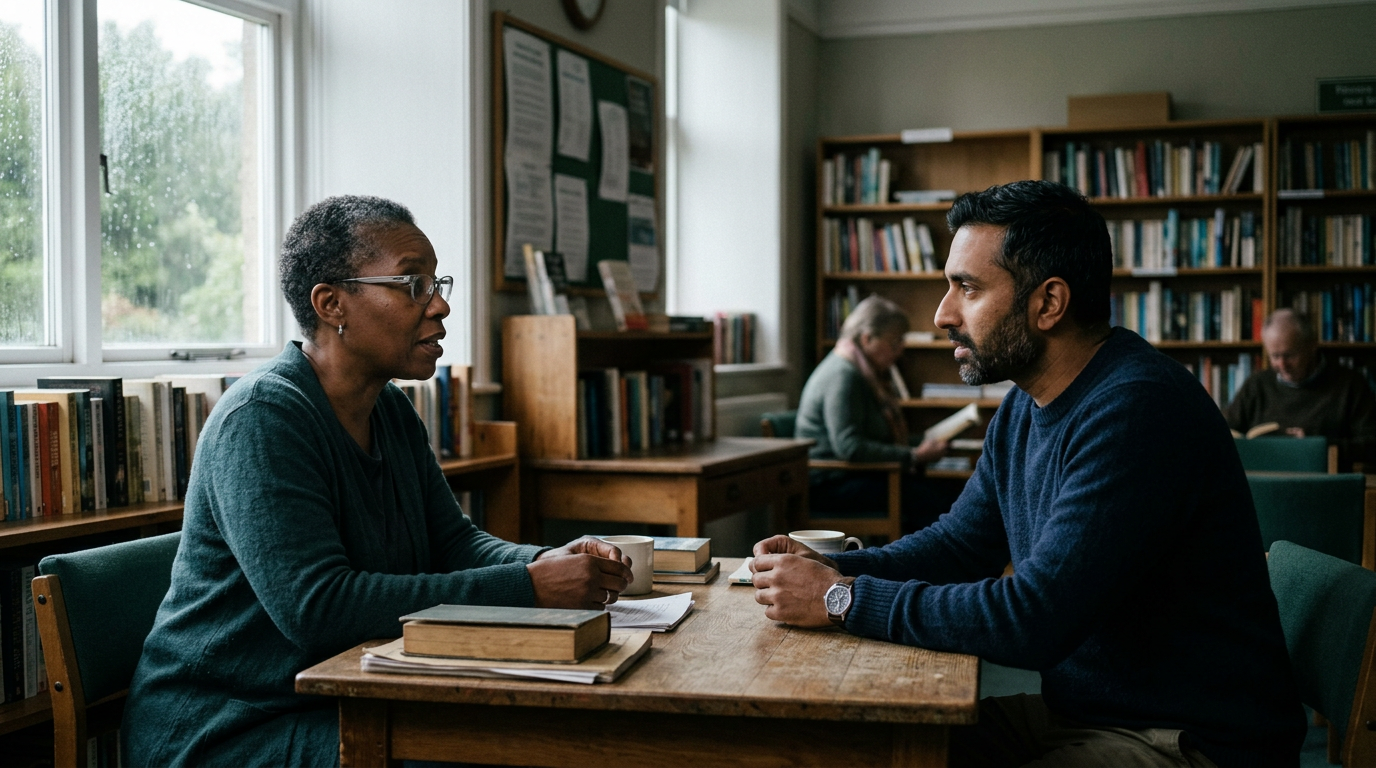
When people feel personally attacked, they may focus on defending themselves instead of examining the issue. Try asking, “What led you to that conclusion?” Or say, “I see the issue differently because of this evidence.”
You can reflect their argument back: “If I understand you correctly, you're saying that…” Then give them the opportunity to clarify. You might still disagree, but you will be disagreeing with their real argument rather than a version you constructed yourself.
5. Not Every Disagreement Has Two Equally Valid Sides
Respect for disagreement does not require treating every position as equally reasonable. Some claims are contradicted by strong evidence. Some arguments rely on false premises. Some positions advocate actions that cause real harm.
Respecting a person's humanity is not the same as validating every belief they hold. Listening does not mean accepting. We can hear someone out while concluding their evidence is weak, their reasoning flawed or their proposed action unacceptable.
Open-mindedness is not the absence of judgement. It is the willingness to make our judgements carefully and revise them when good reasons demand it.
6. What If We Treated Disagreement as an Opportunity to Learn?
Instead of asking, “How do I defeat this person?”, ask, “What can I learn from this conversation?” You begin listening for information rather than weaknesses and become more interested in understanding the reasoning behind a position.

You may discover that the other person has misunderstood something. You may discover that you have. You may agree on the problem but disagree about the solution, or find that your disagreement reflects a deeper difference in values.
All of these outcomes can be useful. The goal is not to manufacture agreement. It is to leave with a more accurate understanding of the issue and, ideally, of one another.
7. How to Disagree Without Creating Division: Seven Practical Steps
Constructive disagreement is easy to support in principle and harder to practise when emotions run high.
- Understand before you respond. Ask what the other person means rather than assuming you already know.
- Separate facts from interpretations. Identify what is known, inferred and uncertain.
- Challenge the strongest version. Do not reduce someone's position to its weakest or most extreme form.
- Ask questions without using them as weapons. Invite investigation rather than ridicule.
- Acknowledge a valid point. You can recognise one fair point without accepting the entire conclusion.
- Know when to pause or walk away. Boundaries and safety matter more than finishing an unproductive argument.
- Ask what progress would look like. A clearer disagreement can be better than a false agreement.

It is reasonable to say, “I don't think we're getting anywhere at the moment. Let's come back to this later.” Choosing not to continue a destructive argument is not the same as conceding that you are wrong.
8. From Personal Conversations to a More Constructive Society
Families, workplaces, communities and democratic societies all contain people with different interests, beliefs and experiences. We will not always agree on what is fair, practical or desirable.
A healthy society needs freedom to question decisions, challenge authority, expose wrongdoing and propose alternatives. But it also needs ways to examine disagreements without turning every difference into permanent division between enemies.
A society that cannot tolerate disagreement risks suppressing questions it needs to ask. A society that treats disagreement as warfare risks losing the ability to solve problems together. Neither outcome serves human flourishing.
9. What Does This Have to Do With Becoming Who You Were Born to Be?
At Get Out Rat Race, the central question is not simply how to earn more or escape a particular way of living. It is how we become more fully ourselves.

Independent thinking does not mean believing that we are always right. Genuine independence requires examining our own beliefs rather than replacing one set of unquestioned assumptions with another.
We cannot grow if every challenge feels like a threat. We cannot learn if admitting a mistake feels like humiliation. The ability to disagree constructively is part of personal development.
10. Choose the Pen Before the Sword
We can use words to humiliate, divide and silence, or use them to question, explain, investigate and build understanding.
None of this means abandoning our principles, tolerating abuse or pretending every argument is equally valid. We can stand firm and challenge injustice without making contempt our default response to difference.
If we genuinely want human flourishing, we need fewer battles over who wins and more serious conversations about what is true, what is fair and what works.
Less “How do I defeat you?” More “What can we learn from this?”

The Rat Race Ends Within.
Become Who You Were Born To Be.
Trusted Sources & Further Reading
Continue Exploring
- Asking better questions and questioning assumptions.
- Mutual respect and human flourishing.
- The freedom to question and challenge ideas.
- What it means to live well.
Frequently Asked Questions
Is it possible to disagree without creating division?+
Does respectful disagreement mean accepting everyone’s opinion?+
Why do people take disagreement personally?+
What is intellectual humility?+
How can I disagree with someone who refuses to listen?+
Can disagreement help us grow?+
This article was developed with assistance from AI tools. AI was used to help with research, organisation and/or drafting. The content was reviewed and edited before publication, and responsibility for the final article rests with Get Out Rat Race.
Find Your Spark™
You've been exploring the ideas. Now explore yourself.
The Free Spark Score is a simple starting point to help you reflect on your interests, experiences, strengths and what might genuinely matter to you.