Civic Duties and Why They Matter
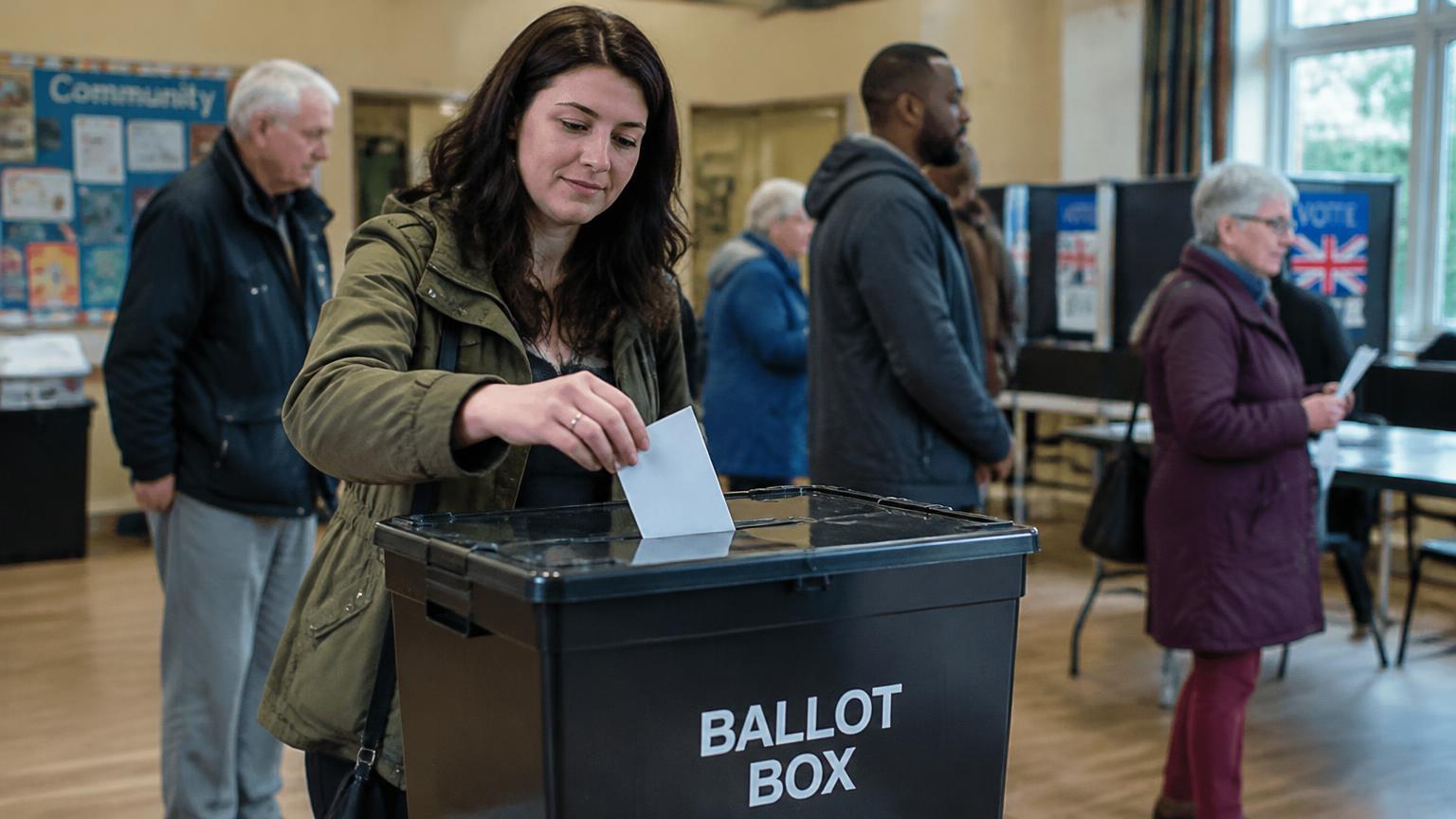
Civic Duties and Why They Matter
Becoming yourself was never only about you
Most of this website is about the personal journey: finding what lights you up, developing your gifts, and building something that reflects who you actually are.
That work matters. But becoming the fullest version of yourself was never meant to stop at your own doorstep. The same qualities that help you build a good life — attention, responsibility, courage, care — are the qualities a community needs in order to keep going.
That is where civic duties come in.
A civic duty is simply the part each of us plays in keeping shared life working.
What do we mean by civic duties?
Civic duties are the responsibilities that come with living alongside other people in a society that gives you rights, protections and a say in how it is run.
Some of them are written into law: obeying it, paying tax honestly, serving on a jury when you are called, making sure children receive an education, and registering to vote.
Others are enforced by nobody except your own conscience: staying informed, actually turning up to vote, speaking up when something is wrong, treating public money and public places with respect, and taking part in the places where you live and work.
The legal minimum is the floor, not the ceiling. A society in which everyone does only the minimum tends to drift, and it is usually the people with the least who feel the drift first.
The duties that carry the most weight
These are the parts of citizenship that quietly decide whether a place works or doesn't.
- Register and vote: put yourself on the electoral register and vote in local, national and devolved elections. Local decisions on housing, transport, youth services and social care are the ones felt on your street first.
- Stay informed: spend a few minutes a week understanding what your local council and your MP are actually deciding, rather than hearing about it only when it goes wrong.
- Speak to your representatives: write, email or request a surgery appointment. Ask what has been done, and follow up. Representatives who are never asked tend to stop reporting back.
- Serve when you are asked: jury service is one of the clearest ways an ordinary person takes part in justice. So is being a witness, or sitting on a school or community board.
- Contribute your time: volunteering, mentoring, coaching, helping an neighbour, or giving a few hours a month to something you care about.
- Respect the rights of others: tolerate difference, keep faith with the law, and treat public spaces, public money and other people's dignity as things worth protecting.
- Leave things better: tend the place you live — clean up, plant, repair, welcome newcomers, and pass on what you know to those behind you.
Why civic duties matter for change
Change rarely starts with a grand gesture. It usually starts with someone doing the ordinary thing consistently.
When people register and vote, decisions are taken by people who had to answer for them. When people attend a council meeting, a plan that would have passed unnoticed gets questioned. When people volunteer, services hold together that funding alone cannot sustain. When people speak to their representatives, an issue that was invisible becomes a matter of record.
Civic duties also protect the things we tend to take for granted. Democracy, public services, honest streets, a fair hearing in court — none of these run on their own. Each depends on ordinary people carrying a share of the load.
Rights without duties become fragile. Duties without rights become obedience.
A healthy society needs both held together, and needs people who understand that a right nobody defends is a promise on paper.
Duties are not a substitute for speaking up
Carrying your civic duties does not mean quietly accepting how things are. Quite the opposite.
Many of the changes we now take for granted came from people who felt a duty to push harder than the system expected: signing and organising petitions, protesting peacefully and lawfully, boycotts, mutual aid, standing for a local council, or simply refusing to let an injustice pass without a question.
If you have ever wondered whether voting, petitions and protest still amount to anything, read our article on civic engagement beyond the ballot.
You don't need money, a title or permission
Most civic duties cost time and attention rather than money. Registering to vote takes a few minutes. Reading a council consultation takes an evening. Attending a meeting takes an hour. Writing to a representative takes a paragraph.
You can begin exactly where you are: your street, your school, your place of worship, your estate, your workplace, your town. You don't need a large network or a budget to pay attention and show up.
And if you find yourself wanting to do more than carry out a duty — if you want to build something — that same instinct can grow into a community project or a Community Interest Company.
Where can you find out more?
These are official sources for the practical duties, so you can check the details for yourself rather than taking anyone's word for them:
- Register to vote — GOV.UK
- How to vote — GOV.UK
- Jury service — GOV.UK
- Find your local council — GOV.UK
- Start or sign a petition — UK Parliament
- Volunteering — GOV.UK
- Volunteering guidance and support — NCVO
They are starting points for the practical steps, not a statement of anyone's politics. The point of knowing the machinery is so you can use it.
Prefer to support an existing cause first? See the charities on Causes That Matter.
Your part is bigger than you think
It is easy to believe that one person's actions make no difference, and that the people in charge will do as they please whether you take part or not. That belief is comfortable, and it is also convenient for anyone who benefits from your absence.
The places that work well are rarely held together by heroes. They are held together by people who do the unglamorous things: they vote, they turn up, they keep an eye on things, they help a neighbour, they ask the awkward question at the meeting, and they pass what they know on to whoever comes next.
Do your part where you are, with what you have.
Because change rarely arrives as a single dramatic moment. It arrives as ordinary people deciding that the place they live is worth their attention.