Introduction: looking beyond ourselves
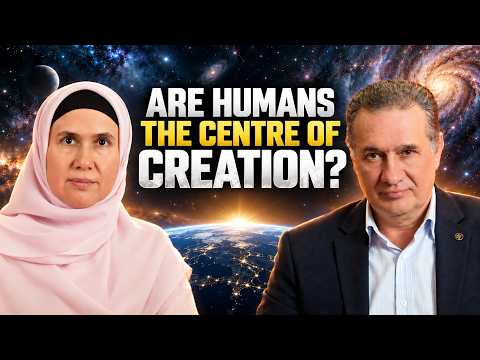
When we look into the night sky, it is natural to wonder where we fit. Is the universe simply a setting for human life, or does creation have purposes that extend far beyond us? In an episode published on Dr Zuleyha Keskin’s YouTube channel, she speaks with Dr Omer Atilla Ergi about humanity’s place in creation through an Islamic lens.
The conversation invites a shift in perspective: recognising human dignity without assuming that everything exists exclusively for our benefit. This summary explores the supplied themes in our own words. It presents the speakers’ religious reflections, not scientific evidence about life elsewhere.
Does the Qur’an say everything was created only for humans?
The episode asks whether descriptions of creation serving humanity necessarily mean the entire universe was made solely for us. Those are different claims. Something can benefit human beings without its existence being exhausted by that benefit.
This distinction opens a wider view of creation. Rather than treating humanity as the measure of everything, the discussion encourages us to consider that divine purposes may exceed our experience and understanding. Our limited knowledge should make us careful about declaring what the whole cosmos is for.
Human dignity does not mean human exclusivity
A central reference is Qur’an 17:70, a verse concerning the honour given to the children of Adam. The discussion draws attention to the wording about humans being favoured over many of those created, rather than a blanket claim of superiority over every possible creation.
The emphasis is an invitation to humility. Humans can hold an honoured place without being the only beings that matter. How the wording is interpreted belongs to religious scholarship; the article does not present a single reading as the only Islamic position.
Many earths—and other creations?
Qur’an 65:12 also enters the conversation, raising questions about the heavens and the earth and how references to multiplicity might be understood. For a modern reader, this can prompt curiosity about worlds beyond our own.
It is important not to turn that curiosity into a claim that the verse proves extraterrestrial life. Religious interpretation and astronomical observation answer questions in different ways. Dr Ergi’s belief in other creations like humans is presented as his perspective, not a confirmed discovery.
A larger universe, a more humble humanity
The most useful takeaway may be less about finding a definitive answer and more about how we approach the question. If creation is greater than our immediate needs, then humility, responsibility and wonder become more appropriate responses than entitlement.
For a different approach to cosmic origins, read Could the Universe Create Itself? or explore our Reality collection. These discussions need not be collapsed into one explanation: the scientific study of the universe and religious reflection on meaning can be examined on their own terms.
Further reflection: Your Journey to Inner Peace
Dr Keskin is also the author of Your Journey to Inner Peace: One Step at a Time. The episode description suggests opening a random chapter each day and reflecting on its message. Readers interested in the book can follow the supplied Amazon link or search Amazon for the title.
Watch the original conversation
Video credit: Dr Zuleyha Keskin, publisher of What is Humanity's Place in the Universe?. Watch the original video on YouTube.