Can Unity Bring Us Closer to God? Unity Without Uniformity
Can we believe differently without becoming divided? Explore unity without uniformity, shared humanity, compassion across differences, human flourishing and whether greater unity between human beings could bring us closer to what God wants for us.
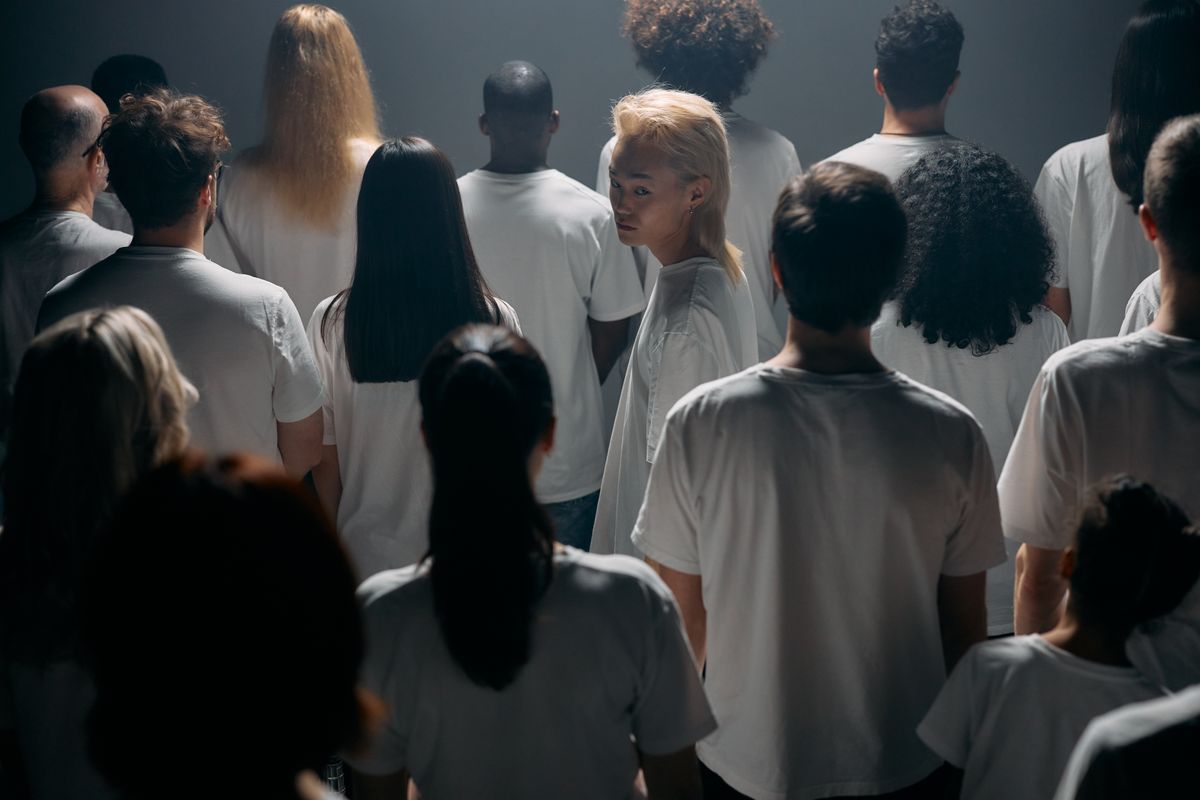
Throughout human history, human beings have searched for something greater than themselves.
- For some, that something is God.
- For others, it is several gods.
- For others, it is nature.
- And for some, there is no God at all.
Humanity has never reached complete agreement about these questions.
We have developed different religions, philosophies, cultures and understandings of existence.
Yet there is something remarkable about us.
We can take the things we believe in most deeply and use them to divide ourselves from one another.
Sometimes the very things that are supposed to give our lives meaning become reasons to reject, judge or even hate another human being.
Can we believe differently without becoming divided?
And if God exists, could greater unity between human beings actually bring us closer to what God wants for us?
Perhaps unity doesn\u2019t require us to believe the same things.
Perhaps it requires something more difficult.
Learning how to remain human toward one another despite our differences.
Why Do Human Beings Have Different Beliefs?
Our beliefs shape how we understand the world.
- They influence what we think is right and wrong.
- They influence what gives life meaning.
- They influence how we understand our place within existence.
For many people, faith is deeply personal. For others, philosophy provides their framework for understanding life.
These differences matter. We shouldn\u2019t pretend they don\u2019t.
A person\u2019s faith, philosophy, culture or lack of faith can be deeply important to them.
But there is a distinction worth making.
\u201cThis is what I believe.\u201d
\u201cBecause I believe this, you must become my enemy.\u201d
Unity Does Not Mean Everyone Believes the Same Thing
The word unity is sometimes misunderstood.
People can hear \u201cunity\u201d and imagine everyone agreeing.
But that isn\u2019t necessarily unity. It may be uniformity. And uniformity is not the same thing.
A healthy society can contain disagreement.
And still recognise that the person standing opposite them is a human being whose life has value.
Perhaps real unity is not: \u201cWe believe the same thing.\u201d
Perhaps it is: \u201cWe recognise our shared humanity even when we don\u2019t.\u201d

What Do We Have in Common?
Before focusing on everything that separates us, perhaps we should ask a simpler question:
What do human beings share?
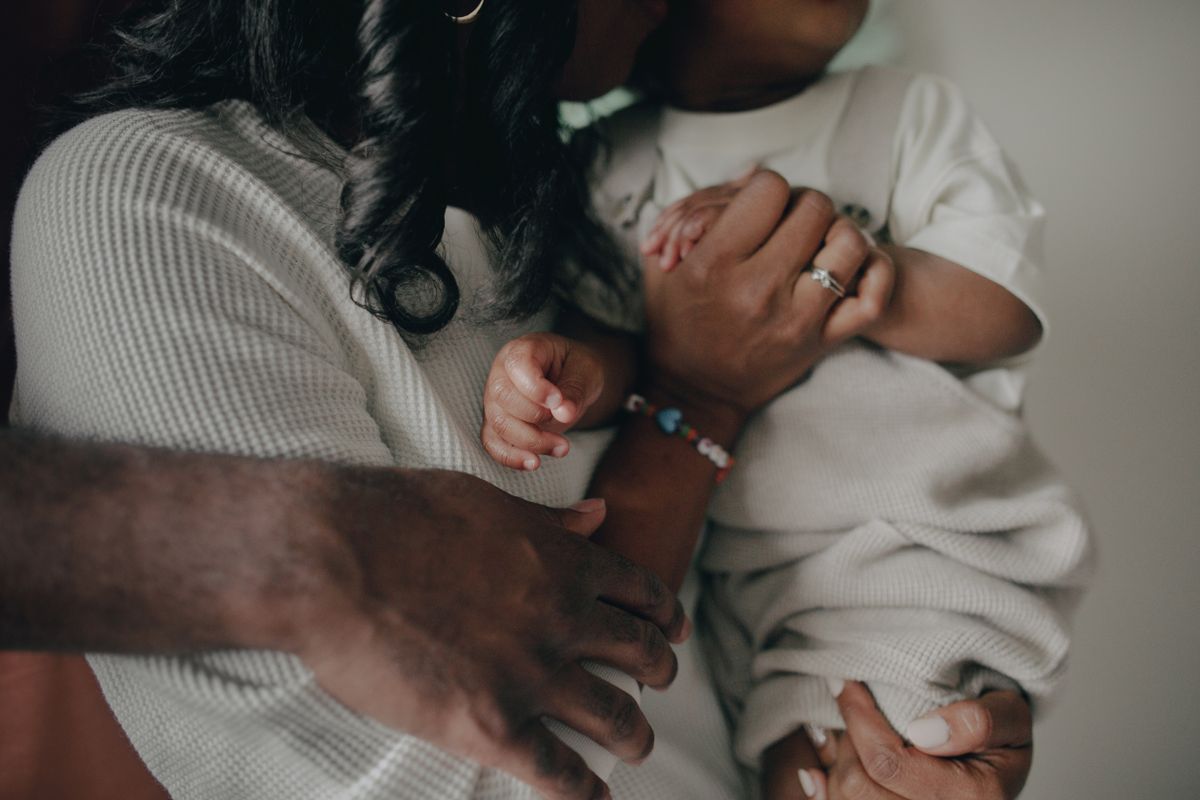
These moments don\u2019t belong to one religion. They don\u2019t belong to one culture. They don\u2019t belong to one country.
They belong to humanity.
The Values That Bring Us Together
Different cultures and religions may express values differently. But some ideas appear repeatedly throughout human life.
Compassion
The ability to recognise another person’s suffering and care enough to help.
Justice
The belief that people should be treated with fairness and dignity.
Love
The bond connecting families, friends and communities.
Forgiveness
The willingness to recognise human imperfection and sometimes give another person the opportunity to begin again.
Charity
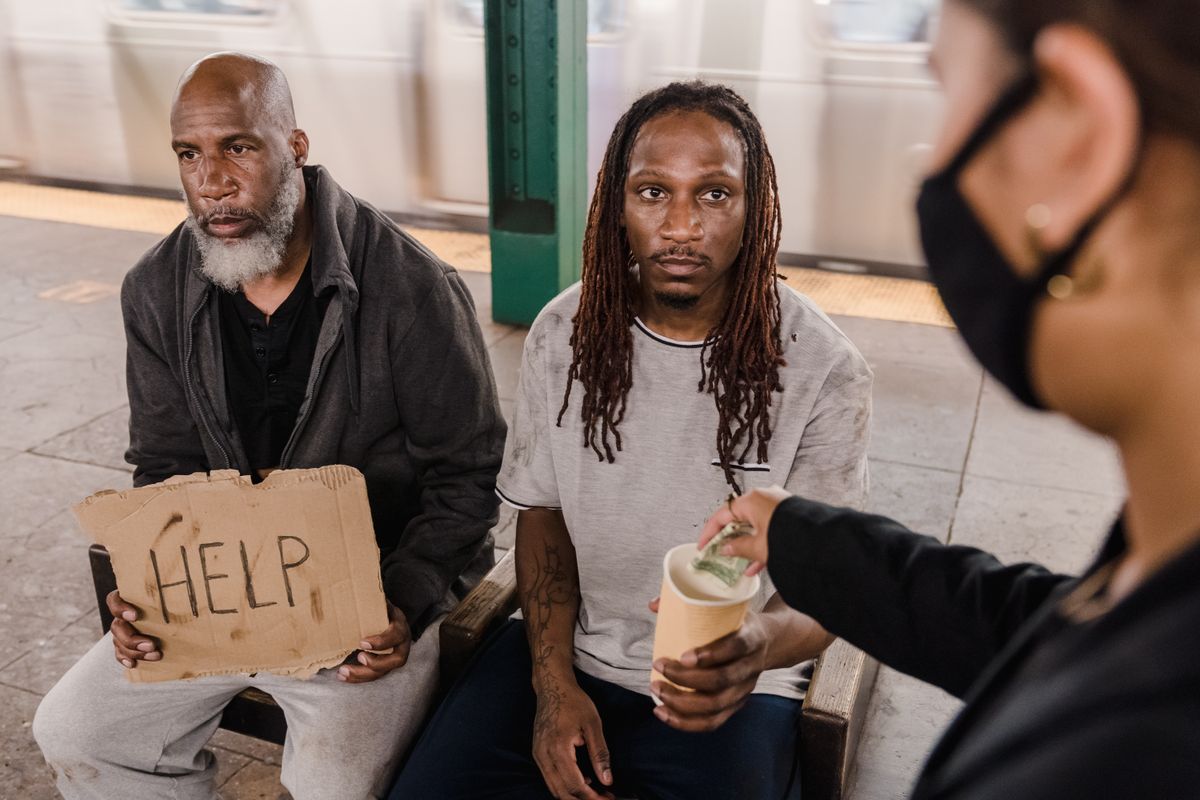
Giving to someone who may never be able to give anything back.
Service
Using our time, knowledge or abilities to make someone else’s life a little better.
Truth
The willingness to search for what is real, even when the answer challenges what we already believe.
Does Anyone Own Compassion?
This is an interesting question.
- Can one religion claim ownership of compassion?
- Can one political philosophy claim ownership of justice?
- Can one culture claim ownership of love?
- Can one group claim ownership of service?
Perhaps not. These are human values.
- A person can help another human being without asking what religion they belong to.
- A stranger can show kindness without knowing someone\u2019s political beliefs.
- A doctor can treat a patient without requiring ideological agreement.
Our differences may be real without being the entirety of who we are.
Can Different Religions Point Toward Similar Values?
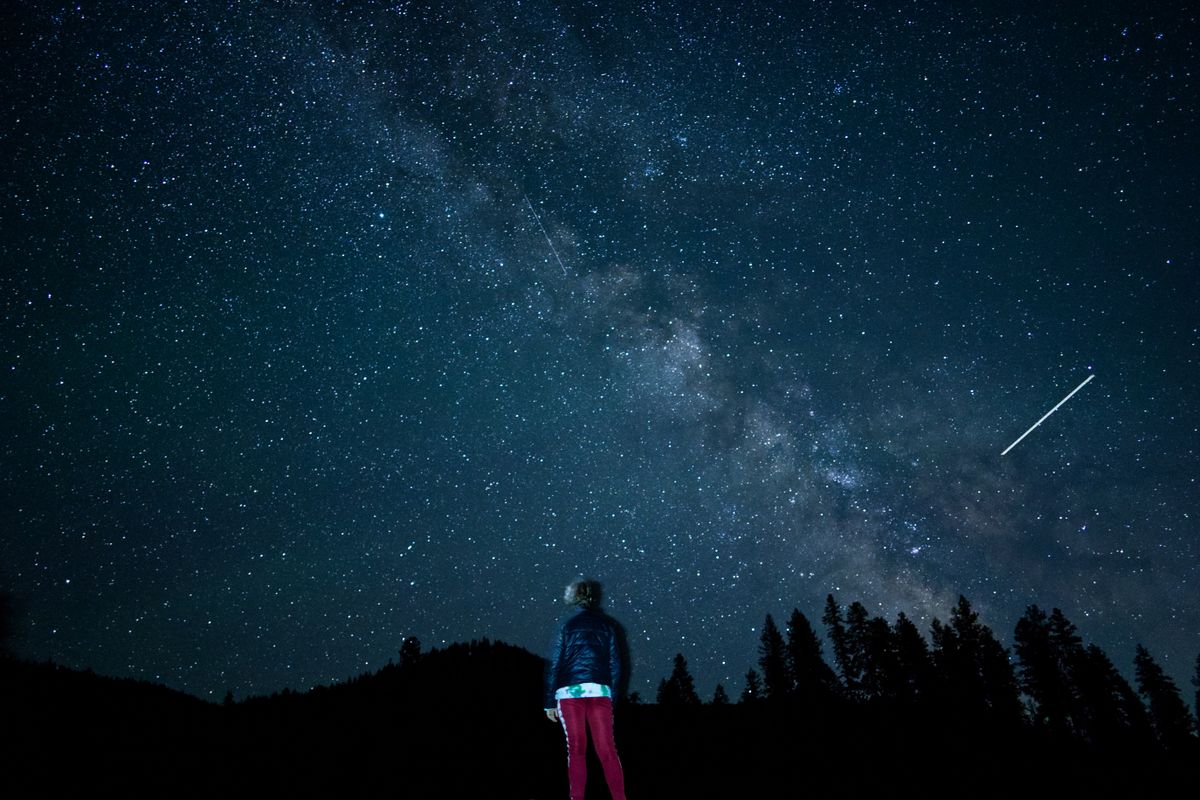
For thousands of years, human beings have looked toward the heavens and asked fundamental questions.
- Why are we here?
- Where did we come from?
- Is there something greater than ourselves?
Different cultures and religions have offered different answers.
Perhaps humanity will never completely agree about what God is. Perhaps humanity will never agree about whether God exists at all.
But there is another question we can explore together. What if God wants unity rather than uniformity?
If God Exists, Would God Want Us Divided?
This isn\u2019t a question that can simply be answered with certainty.
Different religions have different theological understandings of God. Different denominations interpret those traditions differently. People without religious belief would approach the question differently again.
So the purpose isn\u2019t to pretend there is one universally accepted answer.
The question is philosophical:
If there is a God who created humanity, what would that God want human beings to do with their differences?
Would God want people to spend their lives hating one another? Dividing themselves into groups? Fighting over who belongs?
Or could human differences be part of the human journey while compassion, justice, love and peace bring people closer together?
Unity in Diversity
Look at the world around us.
- The same sun rises over every country.
- The same oceans connect continents.
- The same rain falls on people who believe differently.
- And beneath all our labels, we share the same planet.
Perhaps unity doesn\u2019t require us to abandon our beliefs.
Perhaps it requires us to look beyond them long enough to recognise the human being standing beside us.
Different beliefs. Different paths. Different understandings of God.
But one humanity sharing one extraordinary world.
What Does Human Flourishing Mean?
If we want to know whether our ideas, beliefs or systems are actually helping humanity, perhaps we need a way to evaluate them.
- Not simply by wealth.
- Not simply by power.
- Not simply by technological progress.
Human flourishing.
The foundations matter.
Then:
Then:
Then:
And finally:
Are Human Needs Universal?
These needs don\u2019t belong to one culture. They don\u2019t belong to one political system. They don\u2019t belong to one religion.
They are human.
This gives us another possible way to evaluate the world. Instead of asking only: \u201cWhich system is right?\u201d perhaps we can also ask:
Does it help human beings flourish?
Does it encourage compassion?
Does it protect human dignity?
Does it create conditions in which people can develop?
Does it allow people to pursue meaning?
Does it give people freedom to disagree without destroying one another?
Human Flourishing Is a Direction, Not a Destination
No society will answer all of these questions perfectly. No ideology will either.
Perhaps that\u2019s not the point. Human flourishing may not be a destination that humanity eventually reaches.
Perhaps it is a direction. A continual attempt to create better conditions for human beings while recognising that we still have more to learn.
This leaves room for humility. It leaves room for experimentation. It leaves room for disagreement. And it leaves room for learning.
What Causes Division Between Human Beings?
Perhaps one of the greatest obstacles to human flourishing isn\u2019t our differences. It\u2019s what we sometimes do with those differences.
We divide the world into:
Us and them.
We see it in:
Why Labels Can Become Dangerous
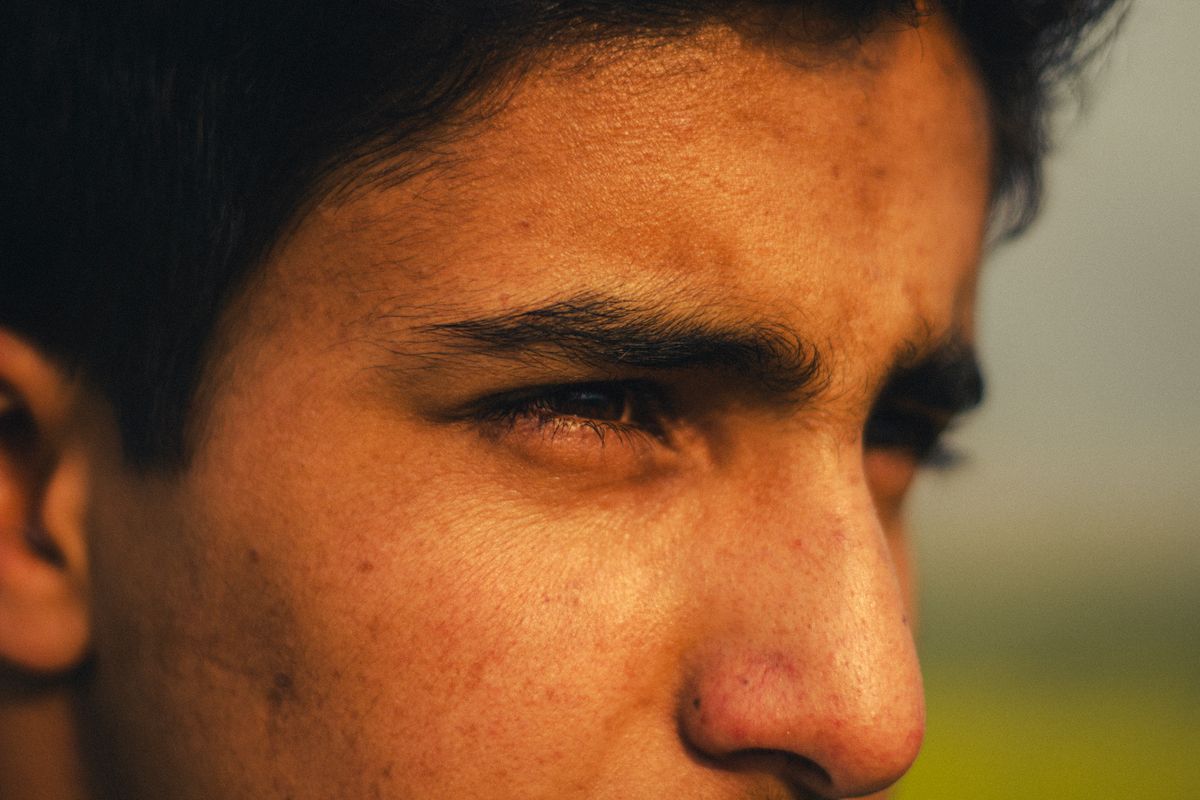
Labels can be useful. They can describe something about us.
But a label can never describe the entire person.
Behind every label is an individual.
Consider the labels we use for people.
These labels may tell us something. But they don\u2019t tell us everything.
A human being cannot be reduced to a single word.
Disagreement Isn\u2019t the Enemy
This is an important distinction.
Disagreement can be healthy. It can challenge us. It can expose assumptions. It can help us discover what we actually believe. It can sometimes change our minds.
The danger begins when disagreement removes our ability to see the humanity of the person on the other side.
I disagree with you.
A statement about ideas.
I don’t respect you.
A statement about the person.
I don’t respect your argument.
Back to ideas, but sharper.
You don’t belong.
Removes the person’s worth entirely.
Can We Disagree Without Becoming Enemies?
Perhaps this is one of the most important skills humanity needs to develop.
- We don\u2019t have to believe the same things.
- We don\u2019t have to share the same politics.
- We don\u2019t have to follow the same religion.
- We don\u2019t have to reach the same conclusions.
In fact, a world where everyone thought exactly the same way might not be a world worth living in.
Disagreement can teach us. It can challenge our assumptions. It can reveal things we haven\u2019t considered. And sometimes it can change our minds.
The goal isn\u2019t to eliminate disagreement. It is to learn how to disagree without losing our humanity.

The Power of Saying \u201cI Don\u2019t Know\u201d
Perhaps one of the most honest things we can say is: \u201cI don\u2019t know.\u201d
Admitting that we don\u2019t know everything isn\u2019t weakness. It can be the beginning of curiosity.
- A student opens a book because they want to understand.
- A scientist questions an assumption because they want to discover.
- A person listens to another perspective because they recognise there may be something they haven\u2019t seen.
- And occasionally someone changes their mind. Not because they were defeated. But because they learned something.
Not
\u201cHow can I prove you wrong?\u201d
But
\u201cWhat can I learn from you?\u201d
Unity Without Uniformity
We may never walk the same path. Perhaps we were never supposed to.
- Some people will follow religion.
- Some will follow science.
- Some will follow philosophy.
- Some will follow a combination of all three.
Our cultures will differ. Our experiences will differ. Our conclusions will differ.
But look at the bigger picture.
Hundreds of different paths. Hundreds of different journeys. All existing beneath the same enormous sky.
Perhaps unity means: Learning how to disagree without losing our humanity.
We Don\u2019t Have to Believe the Same Things to Care About One Another
This may be one of the simplest ideas in the entire discussion.
- We don\u2019t have to erase our differences to recognise our similarities.
- We don\u2019t have to believe the same things to care about one another.
- We don\u2019t have to walk the same path to recognise that another person\u2019s journey matters too.
Look closely and our differences remain.
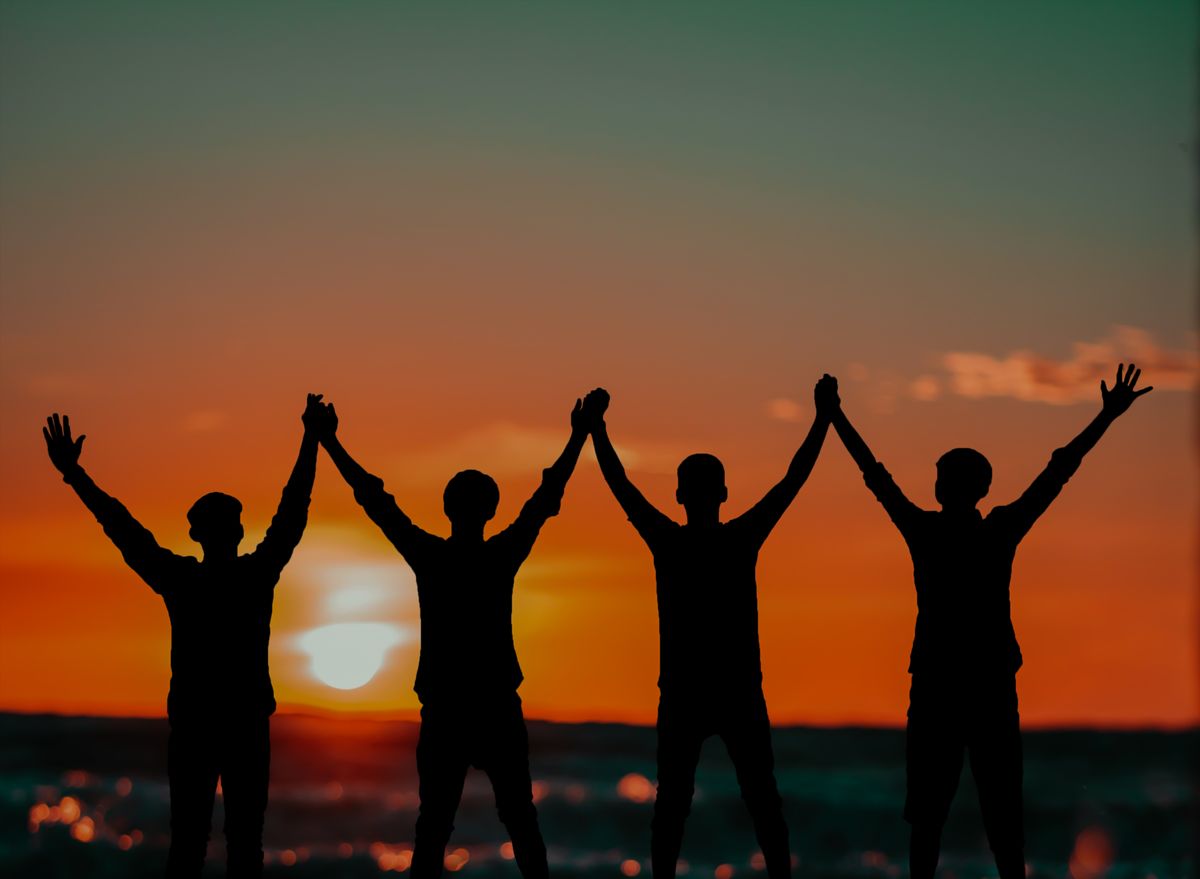
But when those faces come together, something else becomes visible.
Not uniformity. Not sameness. But: Unity within diversity. Thousands of individual lives. Each unique. Each with their own story. Yet together forming something larger than any one of us.
What If Our Differences Are Part of the Journey?
Perhaps our differences don\u2019t have to be obstacles. They may also be opportunities.
- An opportunity to learn.
- An opportunity to question.
- An opportunity to understand someone else\u2019s experience.
- An opportunity to discover that our assumptions were incomplete.
A world without differences might be easier. But it might also be less interesting. Less creative. Less challenging. Less human.
Perhaps the goal isn\u2019t to eliminate diversity. Perhaps the goal is to learn how to live with it.
One Humanity, Many Paths
Every person has a story. Every family has a story. Every community has a story. Every country has a story.
And yet all of those stories exist within the same human story.
We may speak different languages. Follow different traditions. Believe different things. Imagine the future in completely different ways.
But we share this planet. We share the same fragile home. And ultimately, we share the consequences of what we do with it.
Can Unity Bring Us Closer to God?
We cannot prove from this question alone what God wants.
Different religions have different answers. Some people believe strongly in God. Some believe in different understandings of the divine. Some find the sacred in nature. Some reject the concept of God altogether.
The question remains open.
But perhaps we can ask it differently.
If there is something greater than all of us, could compassion bring us closer to it?
- Could justice?
- Could love?
- Could service?
- Could forgiveness?
- Could humility?
- Could caring for another human being?
- Could recognising the dignity of someone who believes differently from us?
Perhaps unity doesn\u2019t mean moving away from our deepest beliefs. Perhaps it means allowing those beliefs to make us better human beings.
What If Unity Is About How We Treat One Another?
Imagine a world where everyone continues to believe different things.
- Different religions.
- Different philosophies.
- Different political systems.
- Different cultures.
- Different ideas about reality.
But where people learn to disagree without dehumanising one another.
Where people can debate without hatred.
Where people can defend their beliefs without denying someone else’s humanity.
Where changing your mind is considered learning rather than weakness.
Where saying “I don’t know” is a sign of intellectual honesty.
Where differences become opportunities for curiosity rather than reasons for division.
Human Flourishing and the Future of Humanity
Perhaps this is where the entire discussion ultimately leads.
What kind of world are we trying to create?
One where everyone thinks the same?
Or one where people can be different while still belonging?
One where disagreement produces hatred?
Or one where disagreement produces learning?
One where identity becomes a weapon?
Or one where identity can coexist with shared humanity?
One where power, ideology and belief determine someone’s worth?
Or one where human dignity comes first?
Perhaps human flourishing requires us to create conditions where more people can:
Becoming Better Together
Perhaps after everything we\u2019ve explored, the answer isn\u2019t about choosing one side.
It isn\u2019t about making everyone think the same way. And it isn\u2019t about removing the differences that make us who we are.
Perhaps it\u2019s about learning how to live with those differences.
Because every person has a story. Every family has a story. Every community has a story. Every country has a story.
And all of those stories exist within one human story.
- Let people believe differently.
- Let them question.
- Let them disagree.
- Let them search.
- Let them grow.
Because unity doesn\u2019t mean becoming one. It means learning how to move forward together without asking everyone else to become like us.
And perhaps if we can do that, our differences don\u2019t have to divide us. They can become part of what makes humanity extraordinary.
Different people. Different paths. Different beliefs. One shared horizon.
And perhaps that is where our journey begins. Not by becoming the same. But by becoming better together.
Frequently Asked Questions
What does unity without uniformity mean?+
Unity without uniformity means people can maintain different beliefs, cultures, identities and philosophies while still recognising their shared humanity and working together toward common human values.
Can people of different religions live in unity?+
Yes. People don’t need identical religious beliefs to treat one another with compassion, dignity, justice and respect. Unity does not necessarily require agreement about theology.
What is unity in diversity?+
Unity in diversity is the idea that differences between people can coexist with a sense of shared belonging and common humanity. Diversity does not have to disappear for unity to exist.
Can unity bring us closer to God?+
This is ultimately a philosophical and theological question rather than something that can be proven universally. The article explores the possibility that, if God exists, compassion, love, justice, service and unity between human beings might be consistent with what God wants for humanity.
Does unity mean everyone has to believe the same thing?+
No. Unity and uniformity are different. Unity can involve people holding different beliefs while still treating one another with dignity and recognising their shared humanity.
Why do religion and politics sometimes divide people?+
Religion and politics can become closely connected to identity and deeply held beliefs. When disagreement moves from challenging ideas to judging the worth of people, differences can become sources of division.
Is disagreement bad?+
No. Disagreement can be healthy. It can challenge assumptions, reveal different perspectives and sometimes cause people to reconsider their beliefs. The danger begins when disagreement becomes dehumanisation or hatred.
What does human flourishing mean?+
Human flourishing refers to conditions in which people have opportunities not only to survive but also to feel secure, belong, develop their abilities, find meaning, contribute and live fulfilling lives.
Can people disagree and still respect each other?+
Yes. Respect does not require agreement. People can strongly disagree about religion, politics, philosophy or other subjects while still recognising the dignity and humanity of the person they disagree with.
Why is saying “I don’t know” important?+
Admitting that we don’t know everything can create space for curiosity and learning. Intellectual humility allows us to question our assumptions and remain open to evidence or perspectives we may not have considered.
What is the difference between unity and uniformity?+
Uniformity means becoming the same or requiring people to conform. Unity means finding ways to coexist, cooperate and recognise shared humanity despite meaningful differences.
Do we have to share the same values to live together?+
Not necessarily. People can disagree about many fundamental questions while still finding common ground around values such as compassion, dignity, service, fairness and the desire for peaceful coexistence.
Continue the Journey
This article is part of the wider Get Out Rat Race exploration of purpose, reality, human flourishing and the ideas that shape how we understand ourselves and the world.
Explore the three pillars:
Purpose
Explore purpose, meaning, psychology, self-actualization and the question of who we can become.
Reality
Explore science, philosophy, religion, consciousness, society, politics and the different ways human beings attempt to understand reality.
Build
Explore entrepreneurship, AI, business, websites, personal branding and ways of turning abilities and passions into something valuable.
Watch the Documentary
Can Unity Bring Us Closer to God? | Unity Without Uniformity \u2014 Humanity has never completely agreed about God. We have different religions. Different philosophies. Different cultures. Different beliefs. But perhaps the question isn\u2019t whether we can eliminate those differences. Perhaps the question is whether we can live with them without allowing them to destroy our shared humanity.
Watch on YouTubeCan we believe differently without becoming enemies?
Can we disagree without losing respect?
Can we maintain our identities without turning them into walls?
Can unity exist without uniformity?
Perhaps unity doesn\u2019t mean becoming one. Perhaps it means learning how to move forward together.
Different people.
Different paths.
Different beliefs.
One shared horizon.
Become who you were born to be.
Find Your Spark™
What do you believe in and what might matter to you? The Free Spark Score gives you a simple starting point for reflecting on your interests, experiences and strengths.
The Free Spark Score is a simple starting point to help you reflect on your interests, experiences, strengths and what might genuinely matter to you.